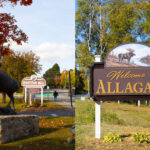


Up in Aroostook County — where folks call it “The County” like it’s family — remnants of the former Loring Air Force Base sit like a faded memory. Back in the Cold War days, it buzzed with life: thousands of troops, civilian jobs and a pulse that kept places like Limestone, Caribou and Presque Isle humming.
Then came the 1994 shutdown, part of federal base cuts. It wiped out more than 4,500 military spots, 1,100 civilian gigs, and ripples that hit thousands more. Limestone’s population crashed from about 10,000 to under 3,000 in a decade. We lost $129.6 million in local spending, leaving empty buildings, PFAS-tainted ground, and communities scraping by on slow redevelopment.
It was a quiet gutting of key infrastructure, with no strong national plan for the aftermath. A lot of us didn’t connect the dots back then—how big decisions from afar hollowed out our way of life, one job at a time.
Fast forward, and that same quiet erosion is hitting the health of our oldest Mainers hard. In Maine, the oldest state where over 23% of us are 65 or older, Aroostook feels it deepest. Nursing homes and long-term care facilities — the backbone of care for elders — are closing left and right. It’s not dramatic headlines; it’s steady losses driven by cold facts: Medicaid reimbursements that don’t cover the real cost of care, brutal staffing shortages in rural areas, and big chains or private equity snapping up places, squeezing for profits, then walking away when the numbers don’t work.
Recent hits tell the story. Mercy Home in Eagle Lake, a nursing and residential spot that ran for 50 years, shut down in May 2025 because they couldn’t hire enough nurses or aides without relying on expensive temporary workers. Northern Maine General, the nonprofit behind it, just announced they’re closing their outpatient and community-based behavioral health programs by the end of March 2026, impacting more than 150 clients and 12 staff in Caribou.
That’s on top of Presque Isle Rehab and Nursing Center closing last August after bleeding $250,000 in just three months.
Hospitals are on the edge too. [As reported by the Maine Morning Star, some including] Northern Light A.R. Gould and Cary Medical Center face “imminent risk” of closure from Medicaid shortfalls and ongoing losses. Half our maternity wards in The County are already gone.
And more is coming. Statewide, we’ve lost one in four nursing homes since 2015 — 26 closures, down to just 78 left. Reports warn that nearly half our rural hospitals could fold soon, with Aroostook’s facilities especially vulnerable to funding cuts. These aren’t isolated; they’re part of a pattern where low reimbursements pay pennies on the dollar, workers burn out or leave for better-paying jobs, and market players like Genesis HealthCare go bankrupt after taking over spots across the state.
The human toll is real. Northern Maine General’s CEO Michelle Raymond called the Mercy Home shutdown “very heartwrenching” — they tried everything, but staffing and revenue shortfalls won out.
Phil Cyr, who ran nursing homes up here for nearly 50 years, had to close one in Presque Isle and sell another in Caribou because low reimbursements made it impossible to keep going.
At the Aroostook Agency on Aging, they’re stretching thin with longer waits for Meals on Wheels and programs fighting winter isolation through check-ins and classes. One participant put it plain: these gaps leave our elders hanging on by a thread, just like after Loring when folks had to scramble.
It’s the same story as the base: having no solid national blueprint lets market forces quietly rework our aging setup. Large chains grab distressed spots, tweak for quick bucks, and bolt via bankruptcy, while the real cost (burnout, shut doors, lost dignity, and harder access to care for our oldest residents) piles up unnoticed until beds disappear and waitlists explode.
But Aroostook’s got grit. Think recent wins like that $55 million potato chip plant or the new AI data center on the Loring [Commerce Centre]. We can turn this around by seeing elder care as essential infrastructure, like roads or schools. Push for better funding, fair pay to keep workers and rules that stop the hollowing out.
Our quiet caregivers — the ones balancing risks and dignity every day — deserve systems that back them up, not wear them down. Before more vanish, let’s connect the dots and build something lasting for Maine’s elders.
Kaitlyn Cunningham lives in Saco and her family hails from Presque Isle and Caribou. She works in the senior care business and has helped many families from Aroostook County.