

HOULTON, Maine — Gubernatorial candidates attending the first ever Wabanaki forum on Thursday in Houlton each said they support tribal sovereignty.
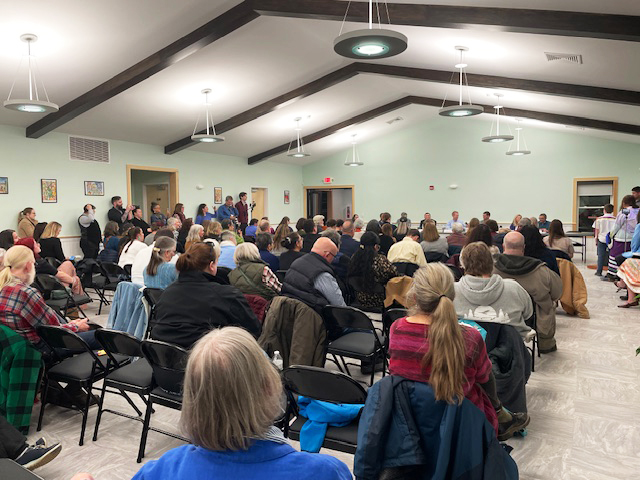
About 150 people attended the over-two-hour session that explored candidate views on issues related to restoring access to federal laws for tribes, teaching Wabanaki studies in Maine schools, eminent domain over tribal lands, and sovereignty.
“Lasting progress begins with mutual respect and open communication,” said Houlton Band of Maliseet Indians Chief Clarissa Sabattis during her opening remarks.
During the question and answer forum, hosted by the Houlton Band of Maliseet Indians at the Community Resource Center, Democratic and independent candidates agreed that tribal sovereignty is long overdue and already should have happened.
Maine is the only state that does not recognize the tribes as sovereign nations. As a result, the tribes do not receive the federal money and benefits that the other 570 nations in other states receive.
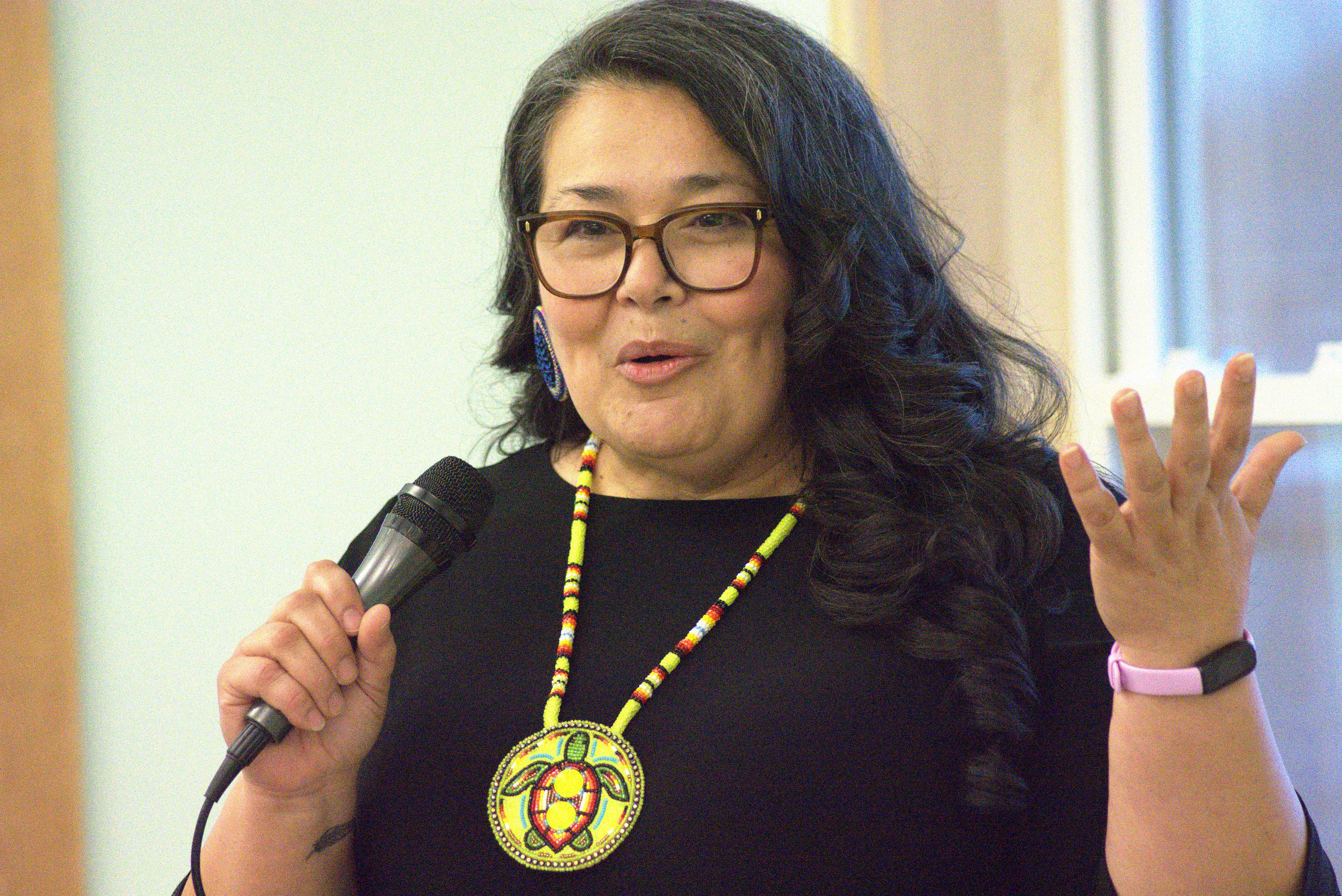
For more than 40 years, the constraints of the 1980 Settlement Act have shaped — and often limited — the relationship between the Wabanaki Nations and the state of Maine, said Maulian Bryant, a Penobscot Nation citizen and executive director of the Wabanaki Alliance.
“By bringing this conversation directly to our communities, we are creating a historic space to discuss how we can finally move past the policy imbalances of the past,” Bryant said. “This forum is an invitation for the next governor to walk with us toward a future where Tribal sovereignty is recognized and our inherent rights are part of how Maine moves forward.”
Of the 18 gubernatorial candidates vying for a June primary win, eight attended the Thursday night forum, including Democrats Shenna Bellows, Troy Jackson, Angus King III, Hannah Pingree and Nirav Shah, and independents Richard Bennett, John Glowa and Derek Levasseur.
The Republican candidates were invited but none attended.
In 2020, the Maine Mi’kmaq Nation, the Houlton Band of Maliseet Indians, the Passamoaquoddy Tribe and Penobscot Nation formed the Wabanaki Alliance to educate Mainers about the need for securing the sovereignty of the tribes.
Nonetheless, it remains out of reach under Gov. Janet Mills, who during her two terms, has repeatedly vetoed legislative attempts to grant the Wabanaki Nations tribal sovereignty.
Candidates Bellows, Bennett, Jackson, Pingree and Shah said they would, as governor, submit on behalf of the tribes the sovereignty legislation that has been before the Legislature in the past three sessions.
“My pledge to you is that as governor we will restore the true government-to-government relationship so that the Wabanaki people can walk not behind the state of Maine but shoulder to shoulder together,” Shah said.
While candidates King, Glowa and Levasseur said they support it, they said they would need time to meet with tribal leaders before drafting new legislation.
“I’ll say ‘no,’” Glowa said. “It is so complex I think the new governor will need to sit down with the tribes and make sure it meets all the requirements that will satisfy everyone.”
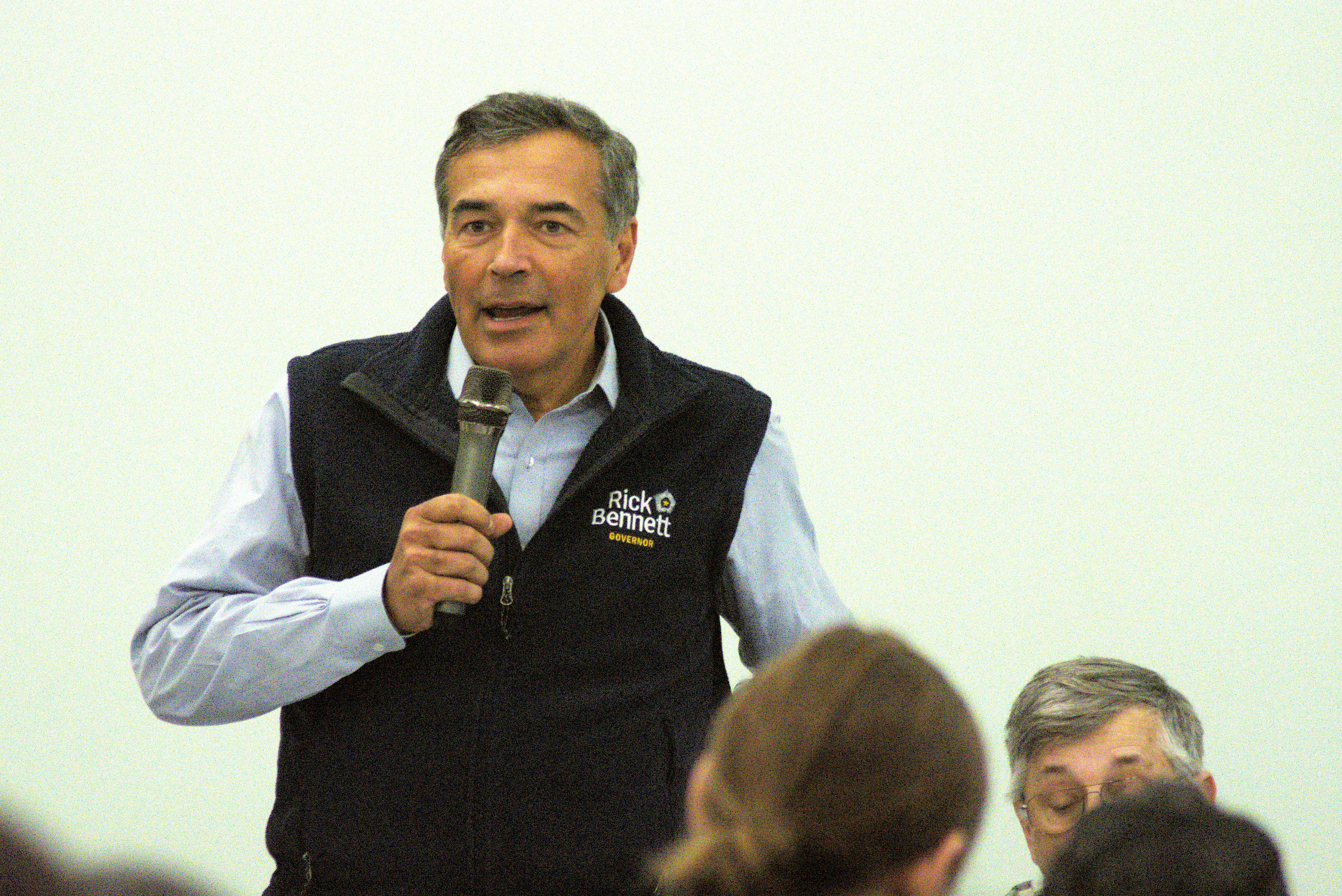
Bennett, who said he supports the legislation, responded to Glowa’s remarks.
“We did sit down with the tribes and the tribes actually hammered this out with the task force, and I feel very comfortable that all the tribes know what this legislation has in it,” Bennett said. “That’s why I am a very strong ‘yes’ on this.”
During what they called a lightning round, candidates responded to 13 questions tied to choices they would make while in office, including whether they would attend important Wabanaki events.
Last June, the Legislature passed a bill preventing the state from seizing tribal lands through eminent domain, but the governor vetoed it.
“If this legislation reaches your desk as governor will you sign it?” Osihkiyol Crofton-Macdonald, Houlton Band of Maliseet Indians ambassador and president of the Wabanaki Alliance board, asked each candidate.
All responded, “yes.”
Among the lightning round questions, each candidate was asked if they would hire qualified tribal citizens to fill high-level positions like commissioner or senior adviser.
All said, “yes.”
All the candidates said they would support federal tribal funds going directly to the Wabanaki Nations. Under the Mills administration, tribal federal dollars go to the state for distribution with a portion of that money going to the state.
Former Senate President Jackson talked about how everyday Mainers get blocked by the influence of big money and how that same power is blocking the tribal efforts toward independence. What it comes down to, he said, is governors who are not standing up for the tribes.
“There’s nothing hard about this, there’s nothing that we have to wait any longer for, this is an easy task that should have been done a long time ago,” Jackson said.