


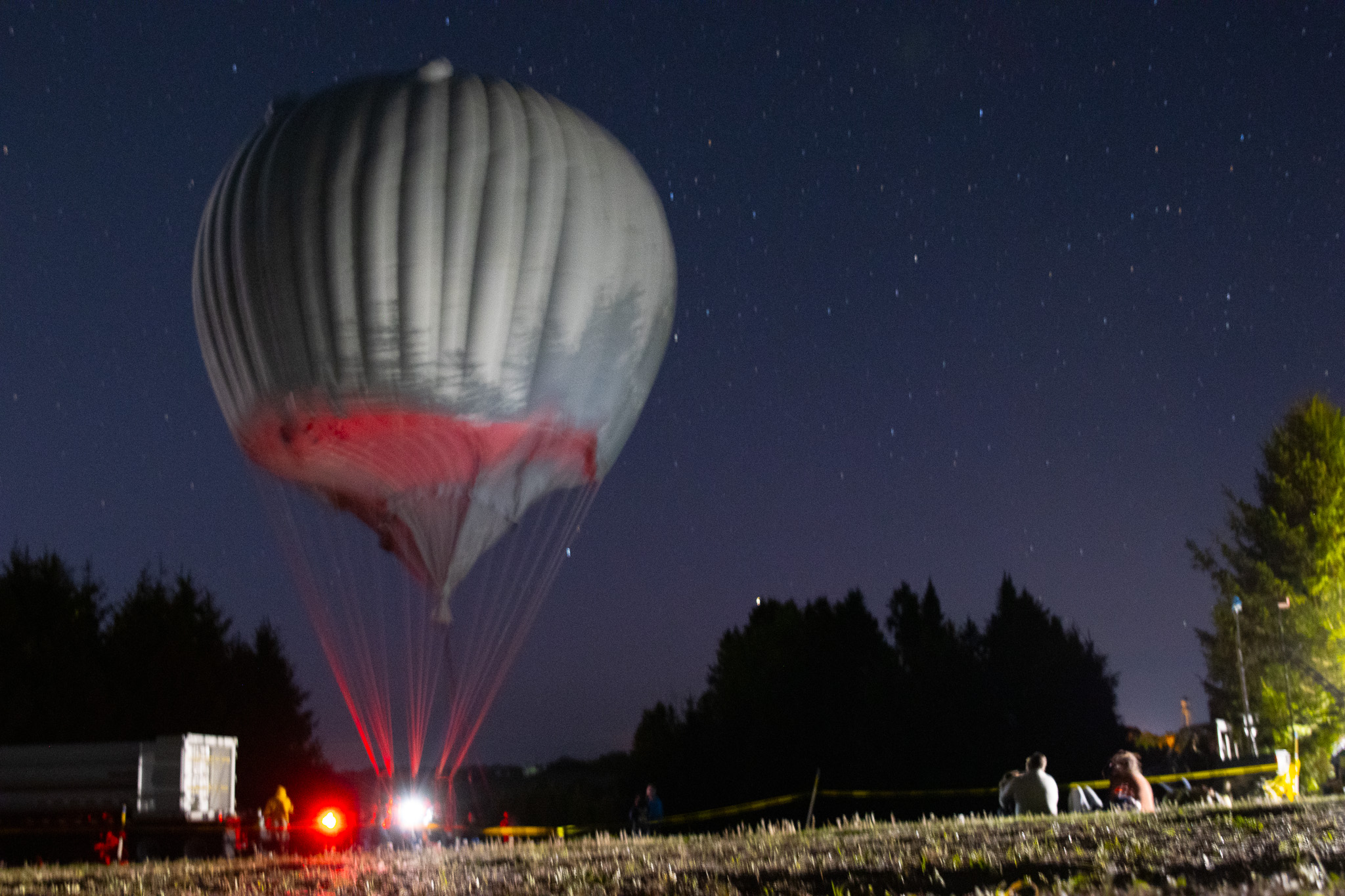
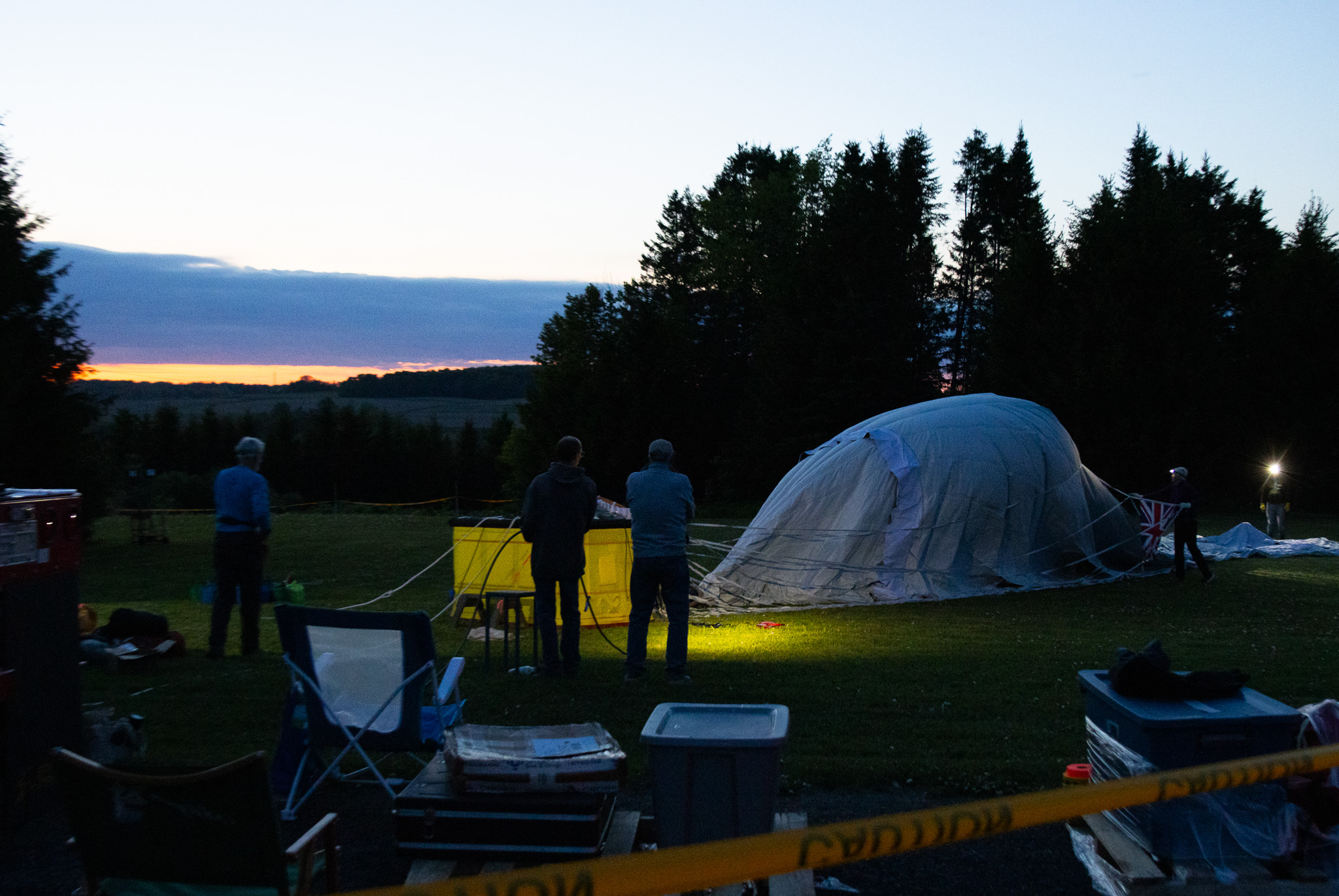
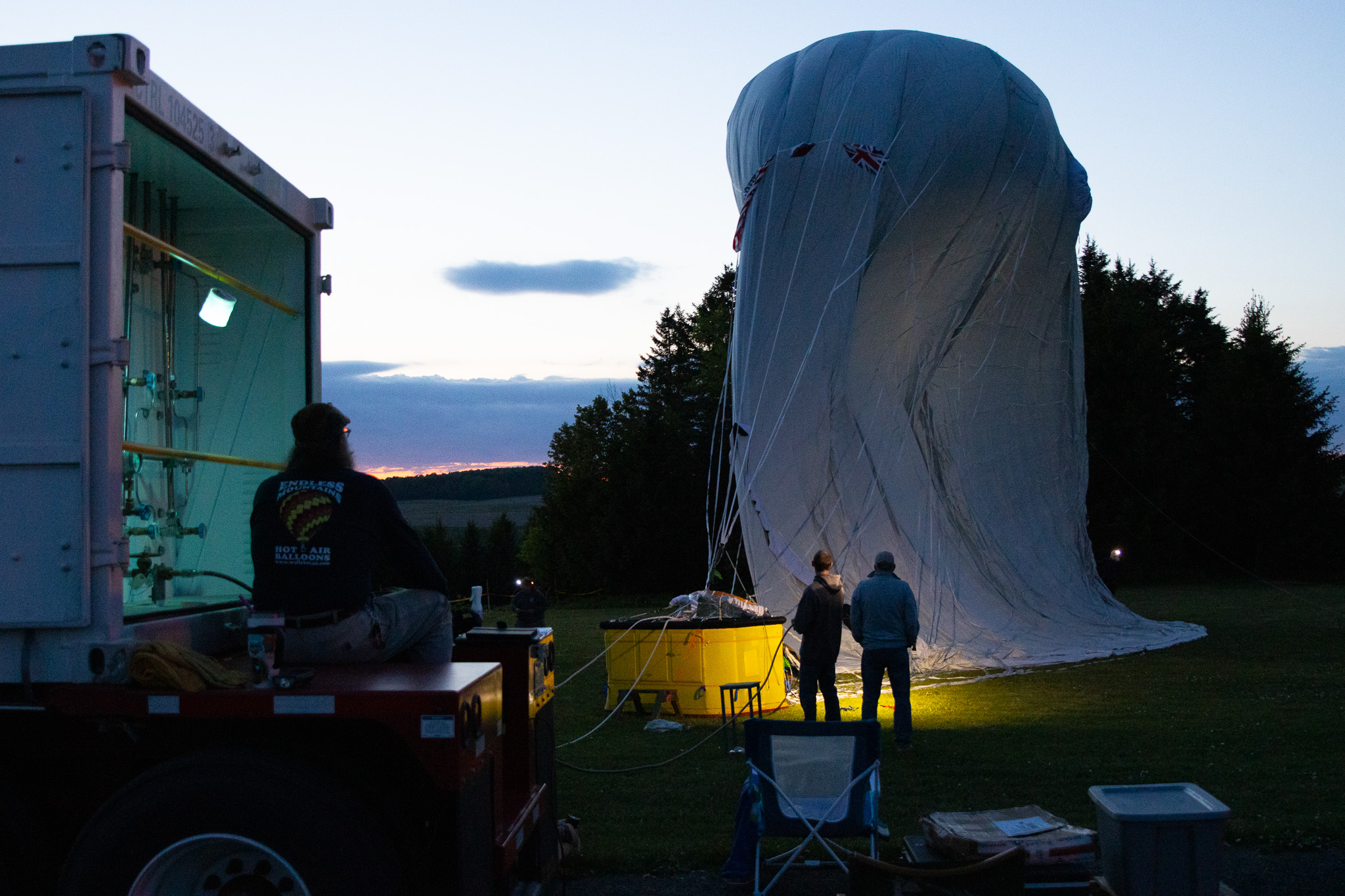
A team of international balloonists attempting to make the first trans-Atlantic crossing in a hydrogen balloon successfully launched from a field in northern Maine early Thursday morning, beginning what they hope will be a days-long journey to mainland Europe.
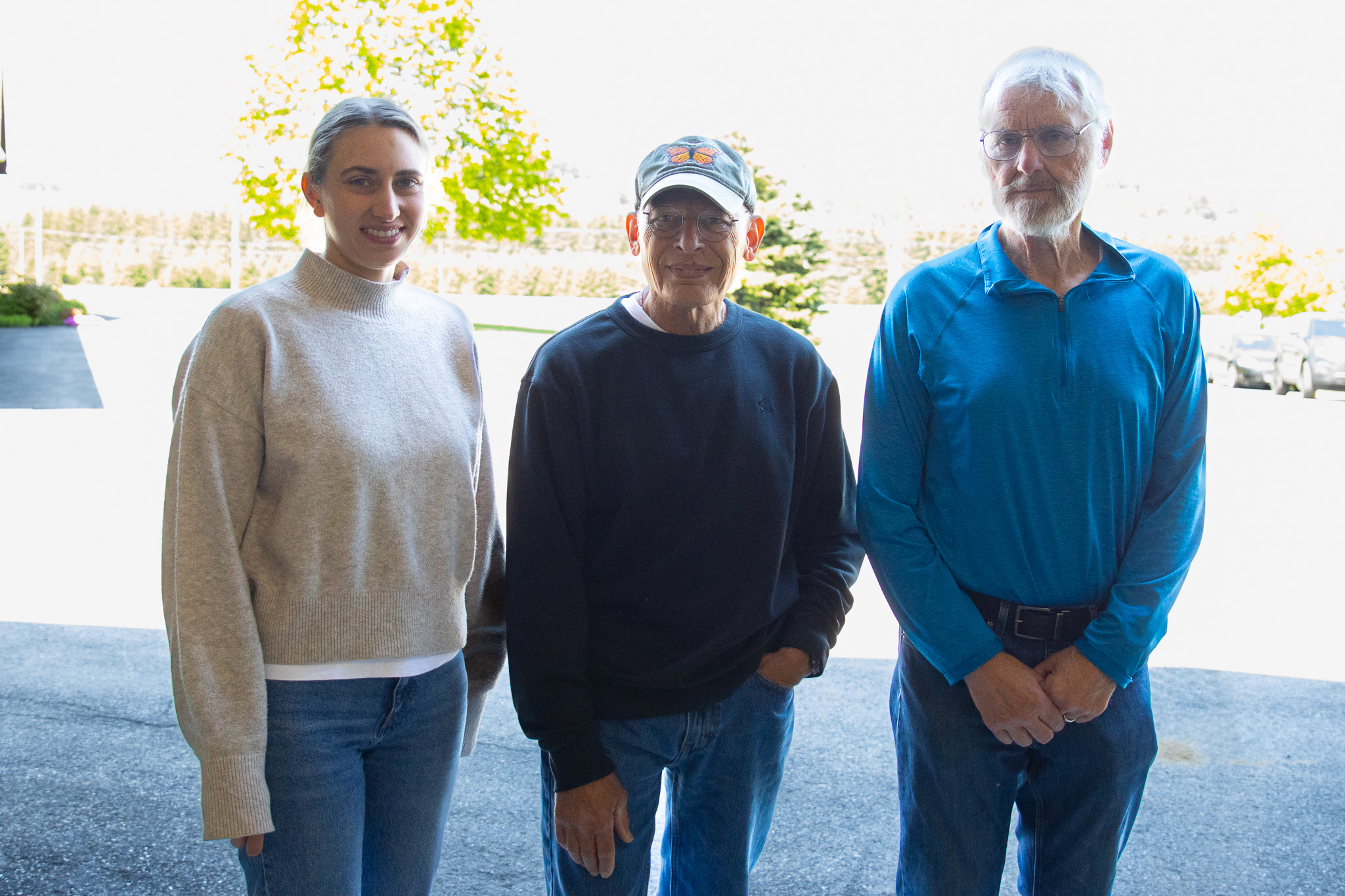
Pilots Bert Padelt, Peter Cuneo and Alicia Hempleman-Adams, each a world record holder or champion balloonist, took off from Presque Isle more than a day earlier than expected after meteorologists recommended an earlier launch because of weather predicted for later in the week.
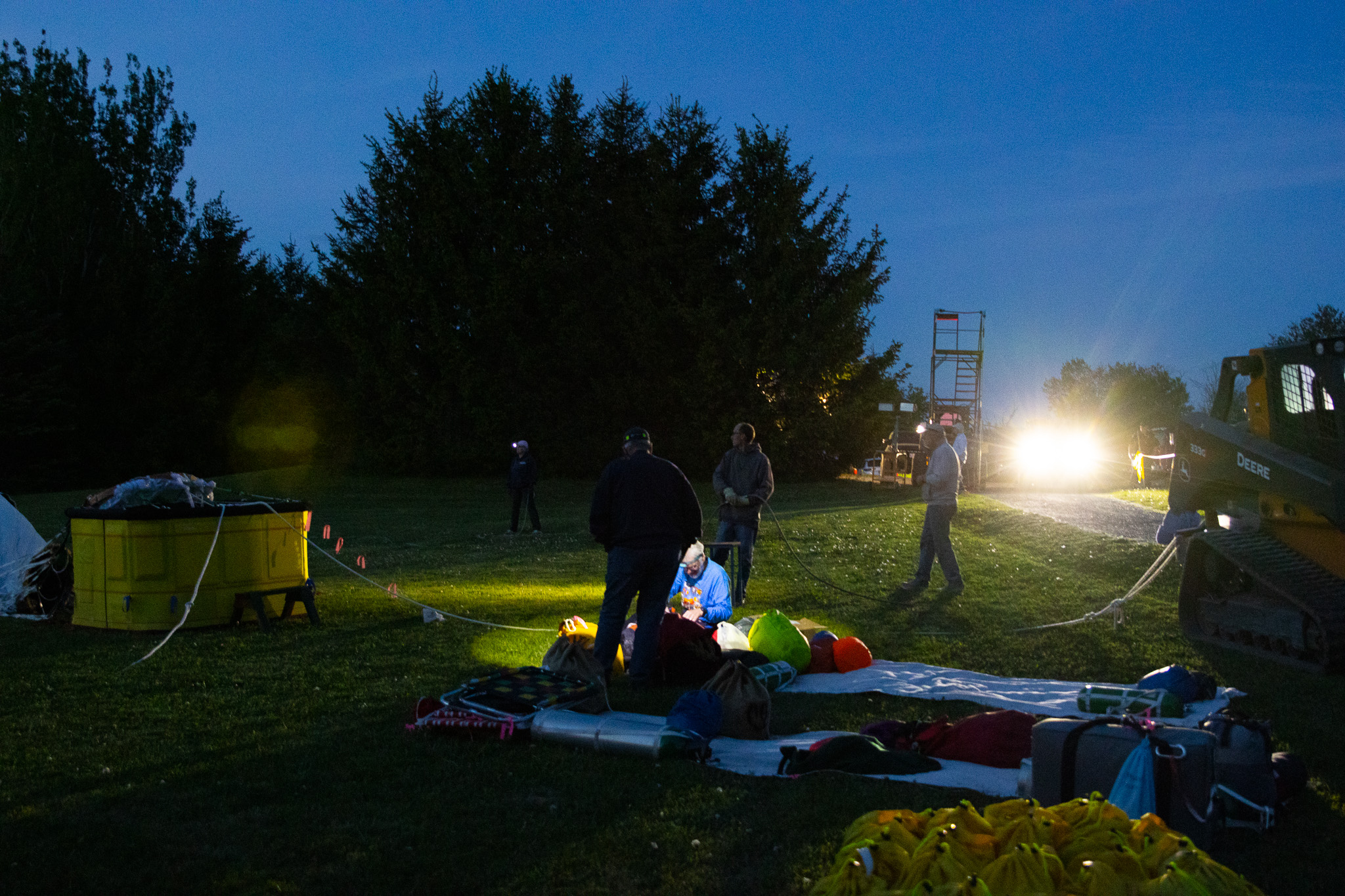
The team set off at 2 a.m. Thursday after hours of delays caused by high winds. If their expedition is successful, it’s expected to last four to six days, covering some 3,100 miles. By 6 a.m. the balloon was passing over Fredericton, New Brunswick.
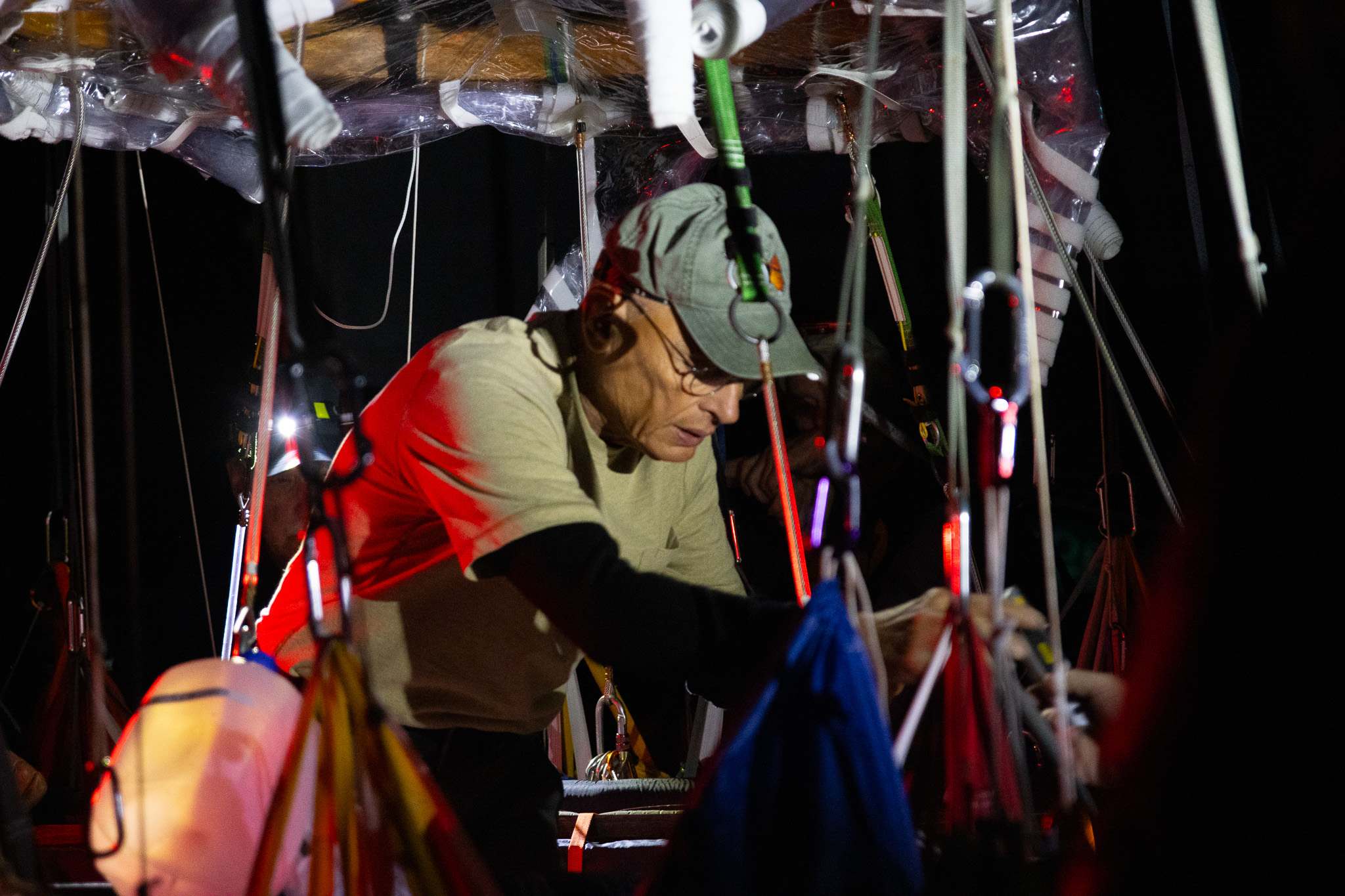
“Usually it starts out slow, and then once you’ve settled in and gone through a few sunsets, things happen a lot quicker,” Padelt, who is from Pennsylvania, said in an interview with the Bangor Daily News on Wednesday afternoon. “What I like is when we take off, we’re 100 hours away from this project being over.”
The crossing is a lifelong dream for Padelt, a world-renowned balloon builder, whose creations have set records on both trans-Atlantic and trans-Pacific flights piloted by other balloonists.
All of the team’s previous attempts have ended before reaching the open ocean.
First planned for 2023, the initial flight was delayed a year because of unfavorable weather. The following summer, the team got in the air, but again faced poor conditions that grounded them in New Brunswick. In 2025, an apparent gas leak forced the Atlantic Explorer to land on Prince Edward Island just 12 hours after take off.
Thursday’s launch is Padelt’s fourth attempt, and the second for Cuneo and Hempleman-Adams, who hail from New Mexico and the United Kingdom, respectively.
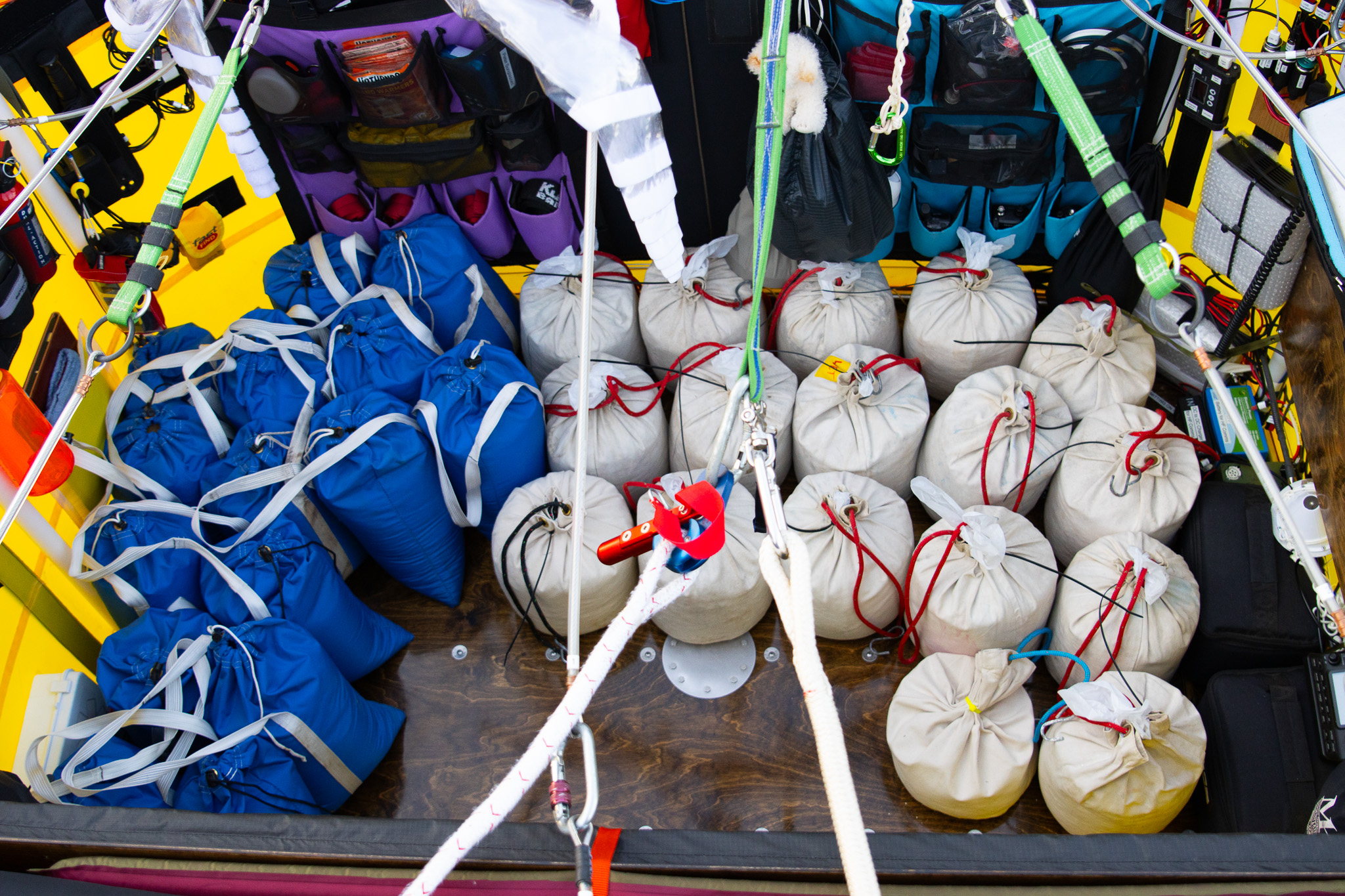
Cuneo put the odds at “50% or better” that the Atlantic Explorer makes it to Europe if it got off the ground.
“I kind of see two or three phases of the flight,” the 75-year-old said. “The first 24 hours, getting in the air, getting stabilized, the next two or three days when things should be flying fairly stable, and then starting the next two days looking for a landing location and setting up altitudes to get us there.”
Either way, Padelt joked, there will be an emotional release.
“I’ve focused a lot over the last three years on this project,” he said. “I think no matter what happens, after this flight, I’ll have to go see a psychologist.”