

The case against a Houlton man indicted on charges of distributing child sexual abuse materials was dismissed because cell phone evidence seized by police was illegally obtained and inadmissible, according to court records.
Several concerned residents familiar with the case, who would not go on the record, spoke to a Bangor Daily News reporter on Monday about the dismissal and their anger that police did not obtain a warrant before seizing evidence.
The action brings the case to a close after nine months and investigations by several law enforcement agencies, including Homeland Security investigators.
Brian Hayes, 36, was arrested in November and indicted by a grand jury in January on two felony counts related to the distribution and possession of child sexual abuse materials and two misdemeanors.
The Jan. 25 grand jury indictment included Class B dissemination of sexually explicit materials containing images of children under age 12; Class C possession of sexually explicit materials containing images of children under age 12; Class D domestic violence criminal threatening; and Class D, obstructing a criminal prosecution.
On July 13, the attorneys for Hayes filed a motion to suppress the evidence because his cell phone was obtained without a warrant, despite police alleging that it was an emergency, according to court documents.
The case was initially reported to the Houlton Police Department on Nov. 3 when the principal of Houlton Middle High School contacted the department to report that a student told a school counselor she saw child sexual abuse materials on Hayes’ cell phone, police said.
During a police interview, the student said she saw “a lot of photos” of naked children who appeared to be under age 10. Before talking to police, the student told her grandmother about what she saw. Her grandmother allegedly said that the student should not call police until she talked to Hayes, Houlton police officer Jacob Goodman said in his report.
At the time of Hayes’ Nov. 25 arrest, Houlton Chief of Police Tim DeLuca said in a release that a warrant was obtained for the contents of the cell phone.
“As part of the investigation by Officer Goodman and Officer Robbins, officers seized a telephone based on probable cause. A warrant was obtained for the content of the phone,” DeLuca said.
Court documents include a copy of a Nov. 3 search warrant for the contents of Hayes’ cell phone, signed at 8:40 p.m. by Justice of the Peace Michael Carpenter. Police obtained the phone at Hayes’ Houlton home three hours earlier, before the warrant was signed, according to court records.
Hayes’ phone was turned over to Homeland Security Investigations agent Christopher Bennett on Nov. 10.
Bennett’s investigation revealed 315 files as suspected child sexual abuse materials, including 12 graphic videos of adult males performing sex acts with young children, 3,384 files of child erotica and 299 explicit Google searches, according to court documents.
Officer Joshua Robbins arrested Hayes after obtaining a warrant for his arrest on Nov. 25.
In their motion to suppress evidence, Hayes’ attorneys said that seizing the cell phone was not an emergency and that Officers Robbins and Goodman had time to obtain a warrant before taking it.
The state said the officers were afraid the grandmother would alert Hayes and he would destroy the evidence on his phone.
“If Goodman and Robbins were truly concerned that she could alert Mr. Hayes, they would not have waited approximately eight hours to go to Mr. Hayes’ home, arguably they would have gone immediately,” Attorney Lindsey Corey wrote in the motion.
Evidence from the officers’ body cameras, reported in court documents, detailed the police interaction with Hayes when they took his cell phone.
Robbins asked Hayes to turn over the cell phone. Hayes said, “You don’t even have a warrant.”
“I don’t need a warrant,” Robbins said.
“You do,” Hayes said.
“No, I don’t. Not to seize the phone. To search the phone, I do,” Robbins said.
The defense concluded that the warrantless seizure of the cell phone and searching Hayes was unlawful and any evidence taken from the seizure should be suppressed, according to the court documents.
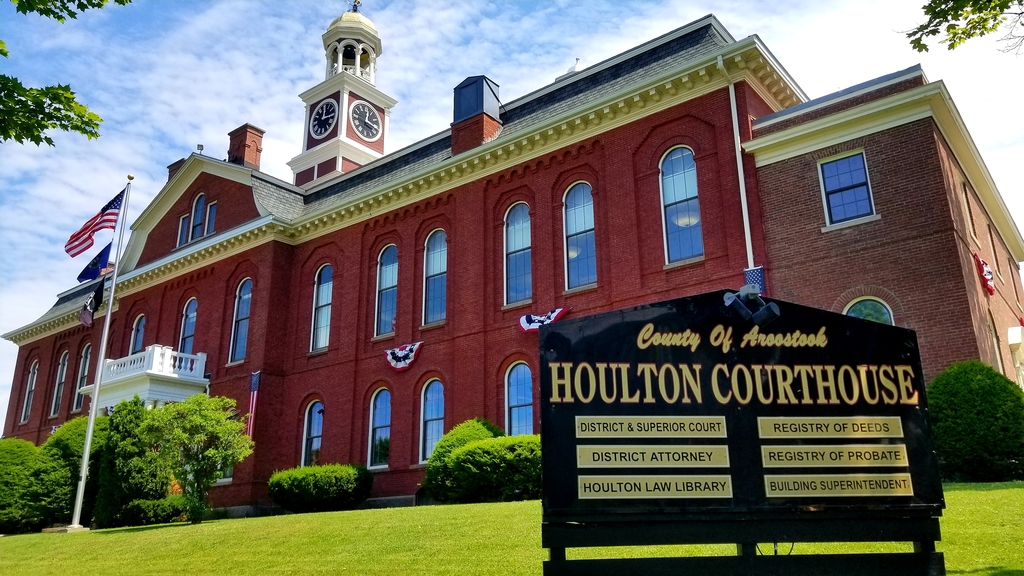
The evidence was suppressed in Houlton Superior Court. The four counts against Hayes were dismissed for insufficient evidence on July 15 by Assistant District Attorney Ian Anderson.