

The Maine Public Utilities Commission on Tuesday selected bids for the development and construction of a transmission line and wind generation project for the Northern Maine Renewable Energy Development Program.
This is the commission’s second attempt to solicit bids for generation and transmission from northern Maine to the New England power grid under a 2021 state law, following the failed King Pine Wind and LS Power project.
The commission chose Central Maine Power/Avangrid Inc. for its preferred transmission project and selected Clearway Energy LLC for an 800-megawatt generation project to enter contract negotiations, regulators said in a Tuesday release.
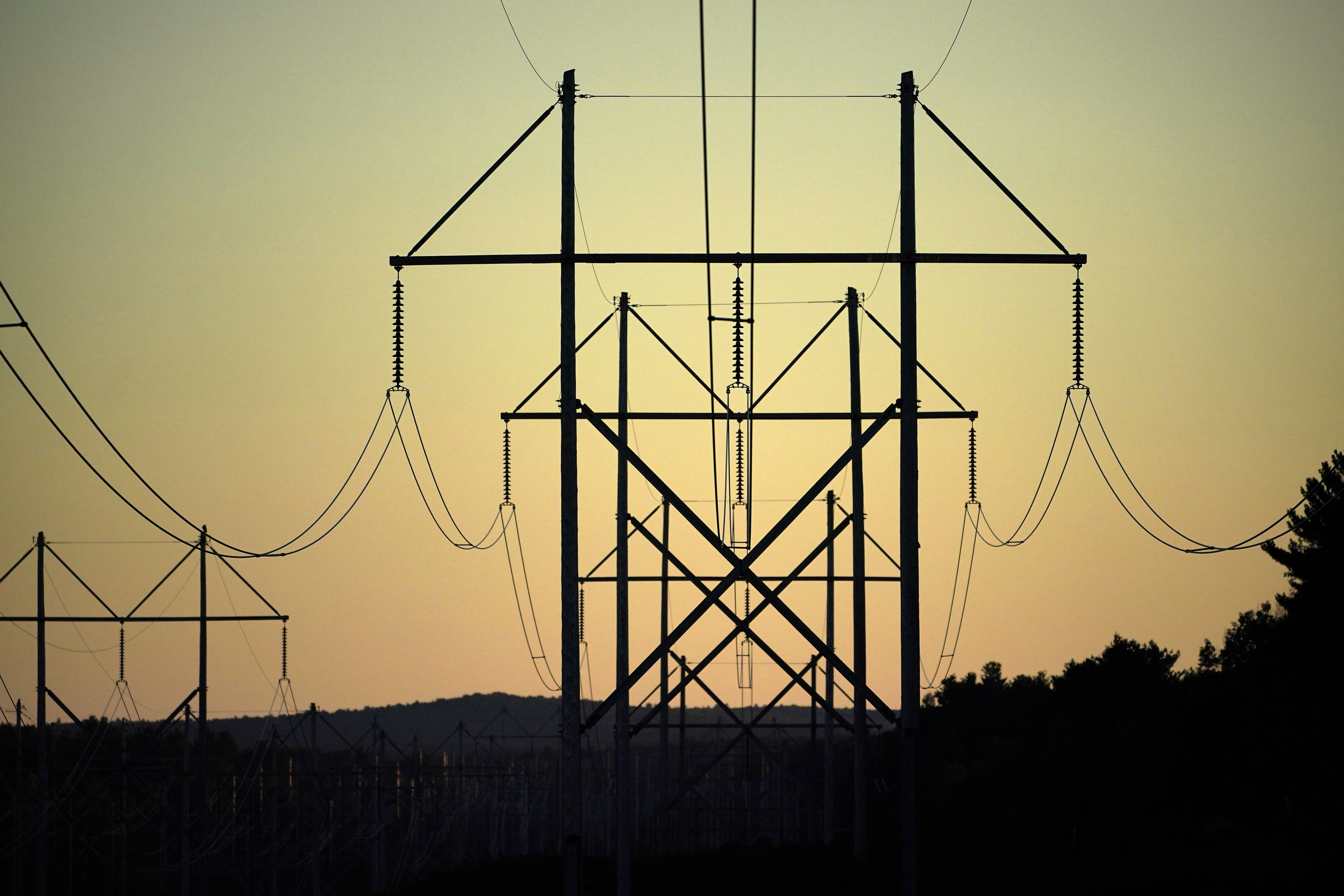
Central Maine Power’s proposal for a 1,200-megawatt transmission line from Pittsfield to Haynesville was the best for the state, the commissioners said, citing CMPs planned use of existing transmission corridors.
The company, owned by Avangrid, Inc., has secured nearly all rights of way for the project to connect the state to the New England power grid, the commission said.
The regulators chose Clearway Energy Group LLC, headquartered in San Francisco, for an 800-megawatt onshore wind project slated for northern Maine, provided the transmission portion moves forward. Approximately 600 megawatts of the project were selected for transmission to the grid.
During a Tuesday meeting, the commissioners determined Clearway’s project to be the most cost-effective, providing the maximum benefit for Maine ratepayers.
While experts tout the power of northern Maine’s wind energy potential, harnessing that wind and getting the electricity it produces to the power grid has had its share of obstacles and stalled attempts, including the Number Nine Wind Farm, canceled in late 2016, and the Aroostook Renewable Gateway, which was canceled in December 2023.
The King Pine and LS Power project was plagued by a complicated contracting process, long delays and cost increases. State regulators reopened the project’s bid window in April only after taking measured steps to avoid a similar fate.
In this go-round, state regulators asked potential bidders for feedback before seeking proposals. Additionally, they joined with other New England states to share in costs that could eventually reduce the state’s dependence on natural gas given the volatility of that market.
The procurement is a multistate effort involving Massachusetts, Connecticut, Vermont, and Rhode Island participating alongside Maine. With five New England states sharing in the costs for regional transmission investments, Maine ratepayers could pay much less of the overall cost for a project in the northern part of the state, according to clean energy experts.
Because of this initiative, the costs of the transmission line, with Maine responsible for less than 11% of the cost, the commissioners said.
“This procurement reflects months of careful work to identify projects that will bring reliable, renewable energy to the grid,” Commission Chair Philip L. Bartlett II said. “These transmission and generation projects will bring substantial economic benefits to the state, creating thousands of full-time jobs during construction and $2.4 billion in economic output.”
In response to today’s announcement, the Natural Resources Council of Maine, Maine Audubon, Maine Conservation Alliance, Conservation Law Foundation and Acadia Center issued a joint statement saying they will work with people across Maine to make sure these projects are held to high environmental standards and will benefit the local communities that host them.
The conservation groups stopped short of endorsing the specific projects, but said they will analyze their environmental impact and listen to the concerns of local communities.
“With careful siting, thoughtful design, and responsible operation, the clean energy projects identified today will deliver reliable, affordable electricity to Mainers while reducing the pollution that is threatening our health and fueling changes to our climate that are already being felt across the state,” they said.
Next steps include finalizing a power purchase agreement with Clearway for Maine’s 600 megawatts and the commission’s final review and approval of that new generation contract.
The transmission part of the project will be approved by the Federal Energy Regulatory Committee. The commission recommended that the New England States Committee on Electricity work with Avangrid to finalize a voluntary agreement to submit to that committee for approval.
Additional information including filings and orders is available on the commission’s website.