


Did you know that over half of all Americans over the age of 50 have weak bones? More than 10 million Americans have osteoporosis and another 44 million have low bone density. Statistics show that fractures related to those weakened bones affect one in two women and one in four men aged 50 or older worldwide.
Osteoporosis is a condition that makes bones weak and more likely to break. Bone loss outpaces bone formation. This increased brittleness puts people at higher risk for fractures, particularly in the hips, wrists, and spine. Since Oct. 20 is World Osteoporosis Day, this is the perfect time to think about your bone health.
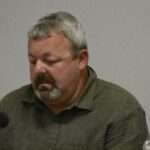
“The good news is, no matter how old we are, there are things we can do to prevent bone loss and even build new bone,” Dr. David Gast, who leads a Bone Health Program at Northern Light AR Gould Hospital in Presque Isle, said. “We know a lot about bones, including the way they work, grow, rebuild, weaken and break. Bone can either get stronger or weaker over time depending on how we take care of it.”
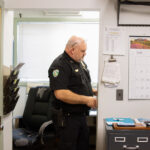
Providers in bone health programs, such as Dr. Gast and Kathy Forti-Gallant, FNP, who is based at Northern Light Sebasticook Valley Hospital, work with patients and their primary care providers to provide consultations and long-term management of bone conditions such as osteoporosis.
“It’s important that you know your risk factors for osteoporosis and understand what actions you can take to lower some of those risks,” Forti-Gallant said.
Some factors are out of your control, such as age (bone loss happens more quickly when you are older), gender (women are at a higher risk than men), body type (slender, thin-boned people are at a high risk) and family history (your risk increases if one of your parents has a history of osteoporosis or hip fracture).
However, there are other areas where you can take steps to decrease your risk.
“Take a look at your diet, medications, lifestyle habits, and even hormone levels to see what changes you can make,” Forti-Gallant said. “The most important thing you can do is adopt positive lifestyle habits, such as exercising regularly and making sure you have enough calcium, vitamin D and protein in your diet. Pay attention to your medications and take steps to limit your danger of falling. If you smoke, stop, and avoid excessive alcohol, caffeine and carbonation. All of these things can make a difference in your bone strength.
Dr. Gast encourages people with concerns about their bone health to speak to their primary care provider and recommends asking these key questions:
- Do I have risk factors?
- Do I need a bone mineral density (BMD) test? Or if you have had one — what do the results mean, and do I need medication to protect my bones?
- How can I get enough calcium, vitamin D and protein in my diet? Do I need supplements?
- What kind of exercise should I do to help strengthen my bones and muscles?
- Do I need to see a specialist or not?
To learn more about Northern Light Orthopedics and the services offered at our locations across Maine, visit northernlighthealth.org/orthopedics.