

A Baileyville paper mill can finally surrender its federal license for a dam that affects Maine and Canadian waters.
Woodland Pulp has been trying to surrender its 30-year Forest City Dam Project license for nearly a decade. The Federal Energy Regulatory Commission approved the request in late January, and once the order is finalized, ownership will be transferred to a nonprofit.
Later this year, Woodland Pulp LLC will no longer own the dam or control the international waters on the East Branch of the St. Croix River. Additionally, its downstream hydropower production will cease as ownership transfers to the St. Croix International Waterway Commission.
The decision affects East Grand Lake, North Lake, the connecting throughway and the more than 2,000 cottages and camps around the lake because the dam is central to the identity, ecology and economy of the region, according to Anna Levitsky, the executive director of the Woodie Wheaton Land Trust in Forest City.
“It will now be managed for fish and wildlife, recreation, environmental quality, and flood control, not power generation,” Levitsky said. “This shift places stewardship and community values at the forefront of decision making.”
The Federal Energy Regulatory Commission found that transferring the license is in the public interest because the future operations will be for environmental, recreational and other nonpower resources.
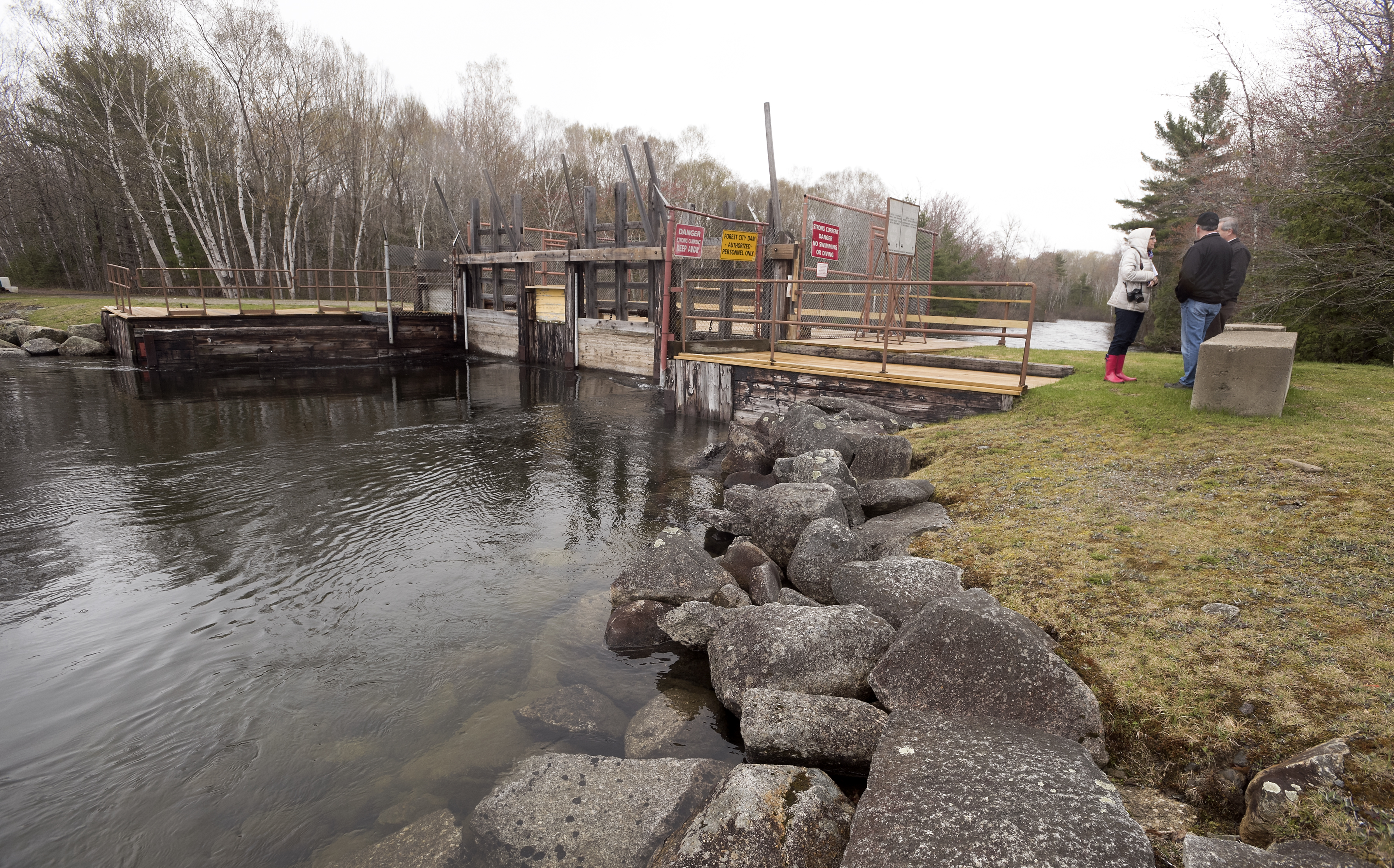
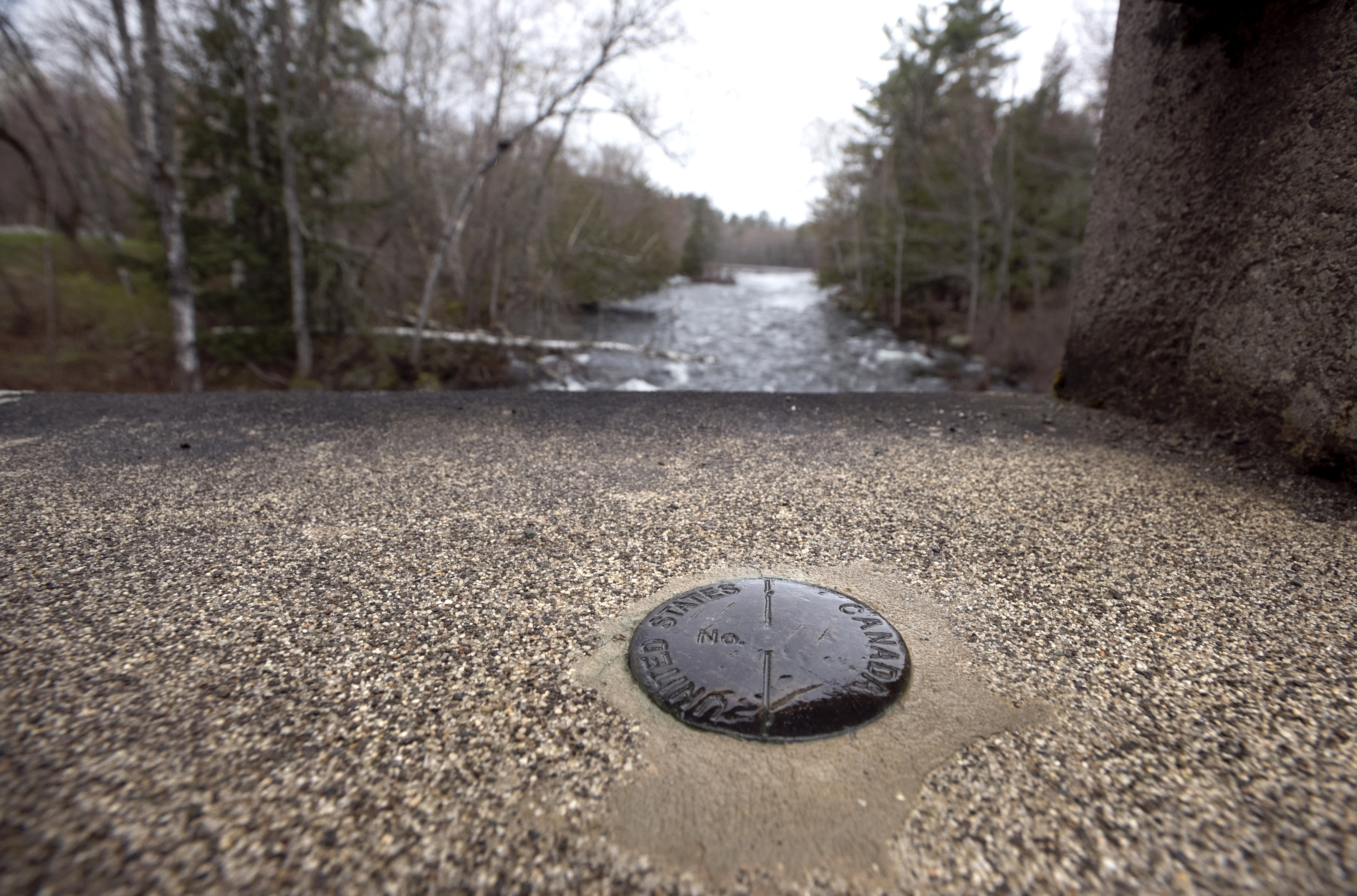
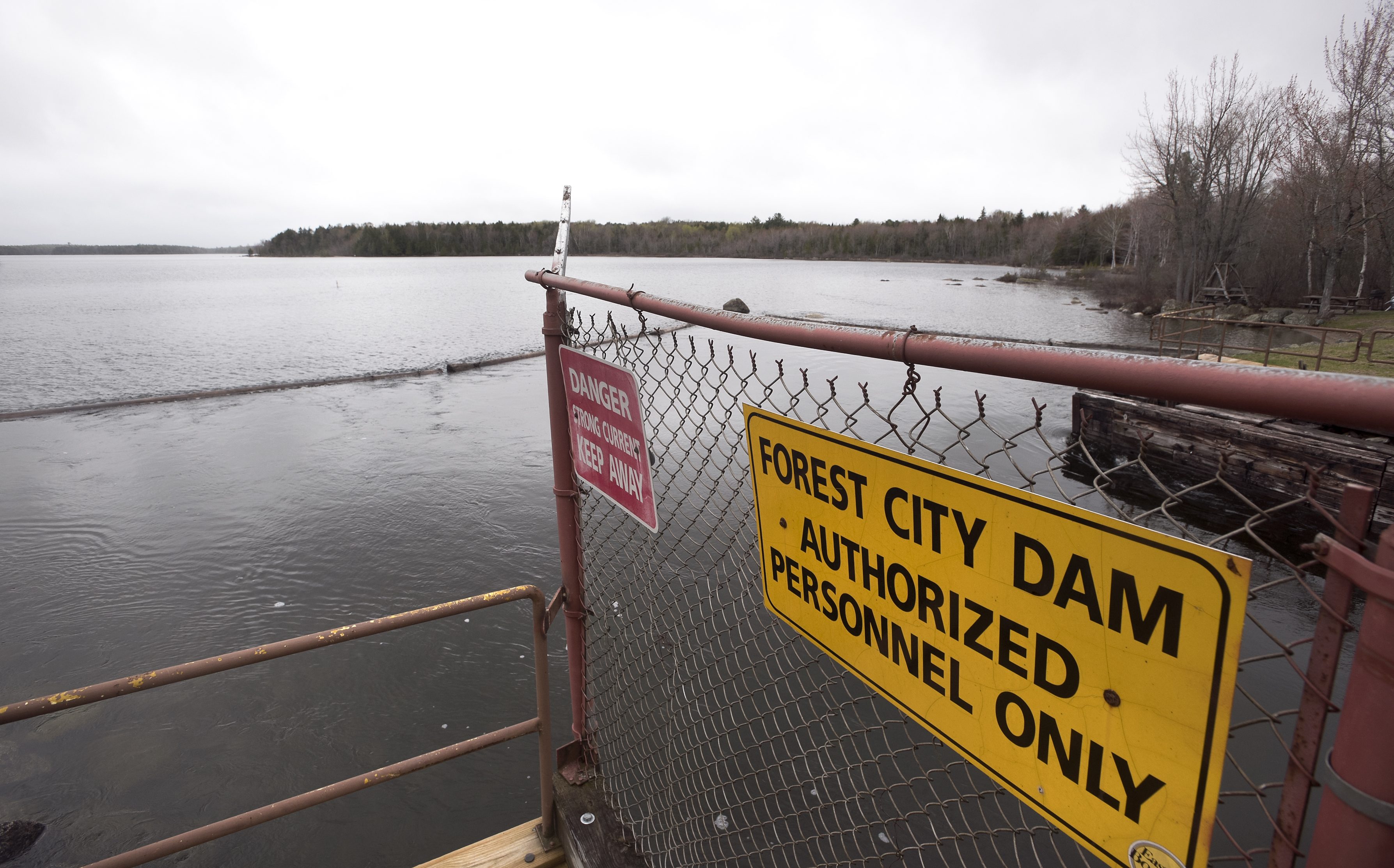
The Forest City Dam, located in Washington County near Wheaton’s Lodge, crosses the international U.S.-Canada border and includes a nearly 12-foot-high dam nestled between the two nations.
The Woodland Pulp license keeps the region’s water levels consistent with only minor fluctuations even during weather extremes and the spillway gates can be adjusted to accommodate for spring run-off, loon nesting or spawning fish.
The paper mill initially filed an application to surrender its license in 2016, after federal regulatory requirements became too costly. At the time, the application called for the removal of two of the dam’s three spillway gates to return the waters to free flow.
But the resultant dramatic drawdown of water drew international opposition because of potential impacts on fishery and recreational resources, tribal communities and flood control capabilities, according to the commission’s decision.
The Woodland Pulp license required maintaining specified lake levels, in consultation with Maine Department of Inland Fisheries and Wildlife, to protect loon nests, to prevent draining of lake trout spawning sites and to support recreation.
Had the dam been decommissioned, significant drops in lake levels could have fundamentally altered shorelines, fisheries, wetlands and nesting areas, with long-term consequences for both wildlife and the people who live and recreate there, according to Levitsky.
It would have devastated the lake’s renowned fisheries, loon nesting areas and other critical wildlife habitats, as well as the region’s generational camps and sporting traditions, she said, adding the order saves them from an uncertain future.
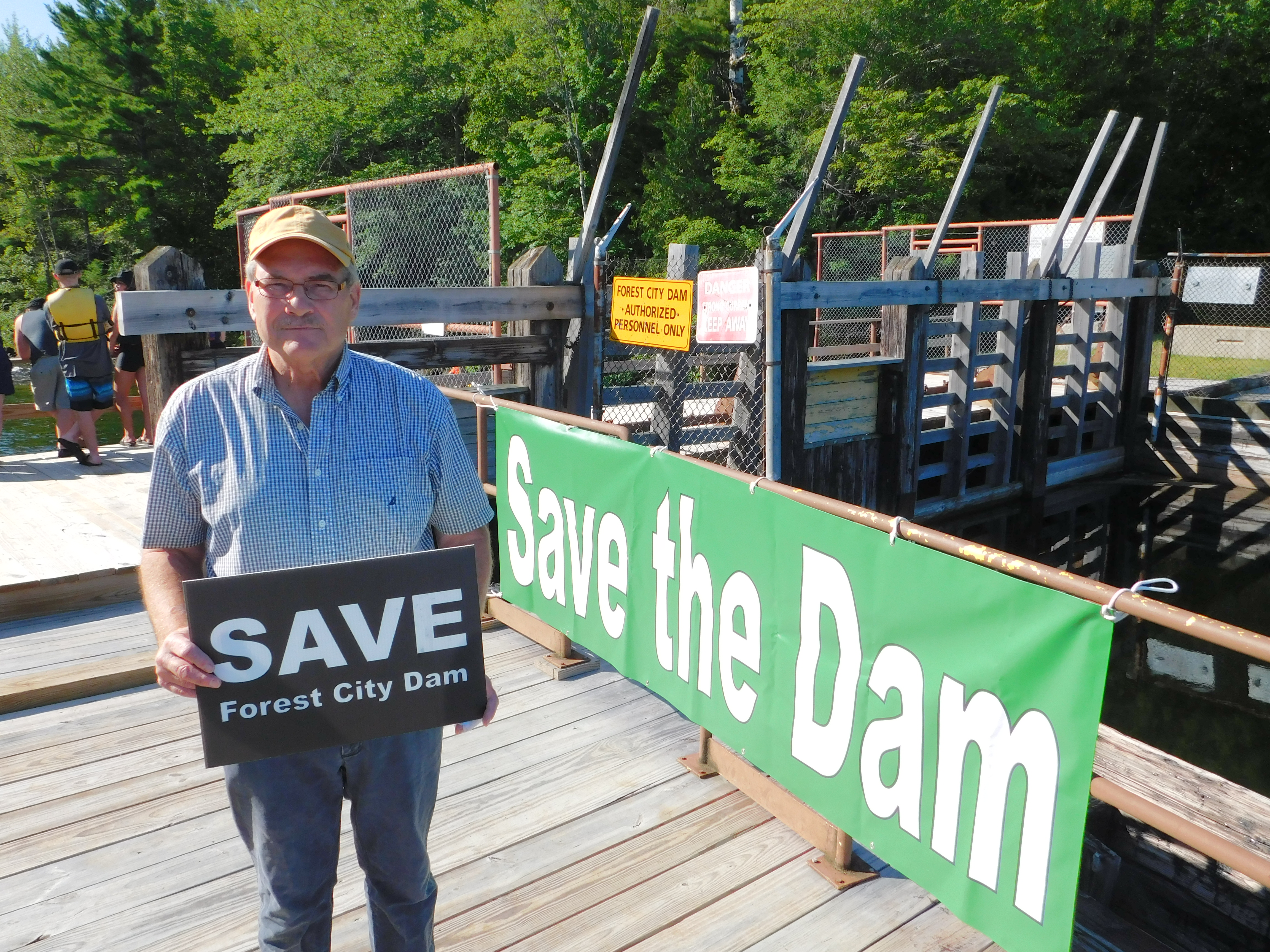
With the spillway gates removed, the water levels would have permanently dropped six to seven feet, causing dramatic changes to the lake ecosystem and fish habitat, said David Townsend, former president of the Chiputneticook Lakes International Conservancy and chair of the Save the Dam Committee,
The Chiputneticook Lakes form the headwaters of the St. Croix River and include East Grand Lake.
In 2023, Woodland Pulp withdrew its 2016 application and filed a new one that recognized the importance of the dam to the region.
“To its credit, Woodland Pulp has committed to continuing the daily operations of the Forest City Dam as directed by the Waterway Commission,” Townsend said.
(File: Gabor Degre | BDN)
There were many local, state, federal, international and Indigenous stakeholders involved in discussions and reviews of the 2023 surrender proposal, with many supporting Woodland Pulp’s second application.
The Passamaquoddy Nation filed in 2024 to intervene in opposition to surrender, citing uncertainties about future protections for alewife, blueback herring, American shad and American eel.
The Bangor Daily News was unable to reach tribal leaders for comment Thursday about the intervention.
The eight-member St. Croix International Waterway Commission is governed by four U.S. commissioners appointed by the governor of Maine and four Canadian commissioners appointed by the premier of New Brunswick, according to Neal Berry, the commission’s executive director.
The commission has offices in Calais and New Brunswick.
A technical oversight committee will be formed with appointed representatives from Maine and New Brunswick that will essentially help the commission with technical matters, Berry said.
“I think this is a positive for everyone,” he said. “We have been waiting for this for a very long time.”
Berry said they are still awaiting final notice from the commission, and he expects the transfer to wrap up in a few months.
“We are especially grateful to Woodland Pulp and the St. Croix International Waterway Commission for their dedication and willingness to work together to reach a solution that reflects the long-term interests of this region,” Levitsky said.