
Nearly 50 years ago, three daredevils decided that a small city near the top of Maine was the perfect place to attempt what 17 others had failed to accomplish — and several had died trying to do.
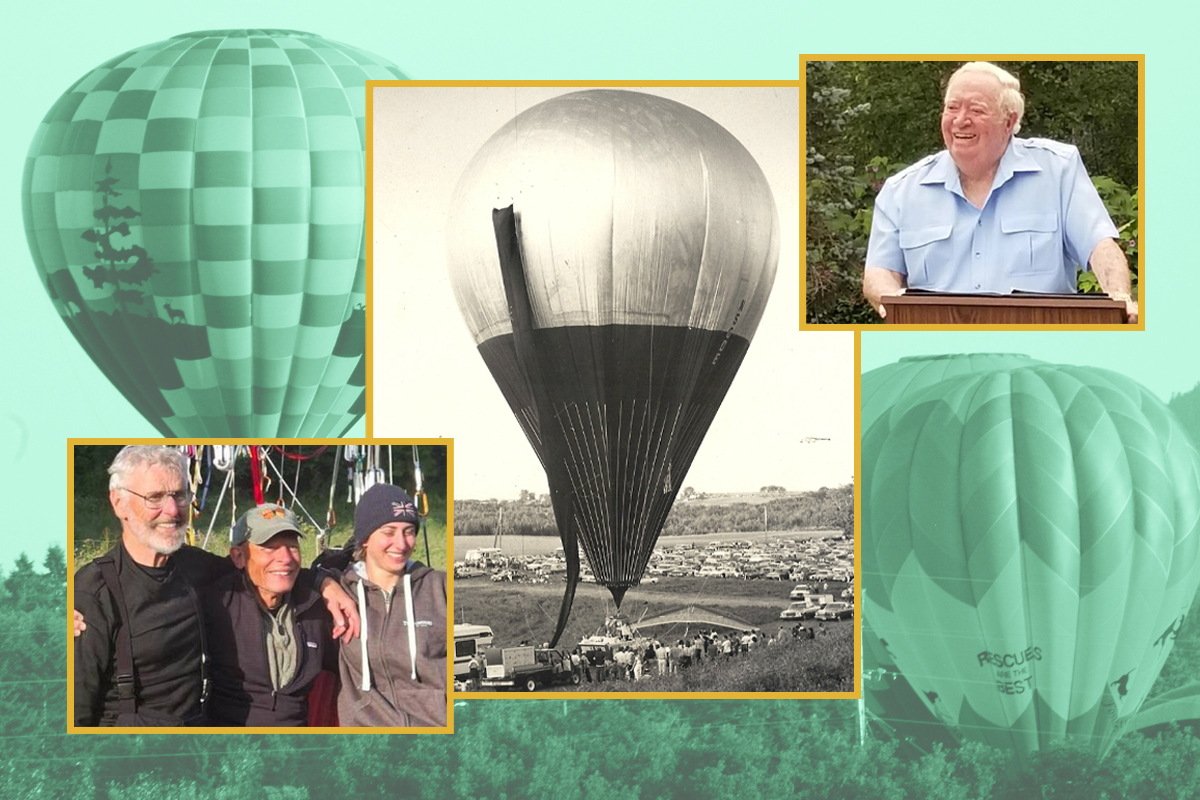
When Ben Abruzzo, Maxie Anderson and Larry Newman flew the Double Eagle II in 1978 from Presque Isle to a barley field outside of Paris, France, they became the first to cross the Atlantic in a gas balloon.
They may not have known it then, but that historic achievement would spur others to fly from the same place, most recently last month’s record-setting Atlantic Explorer flight.
The flight, the seventh trans-Atlantic attempt from the region, cemented Aroostook County’s reputation as a magnet for adventurers and the site of several offbeat world records.
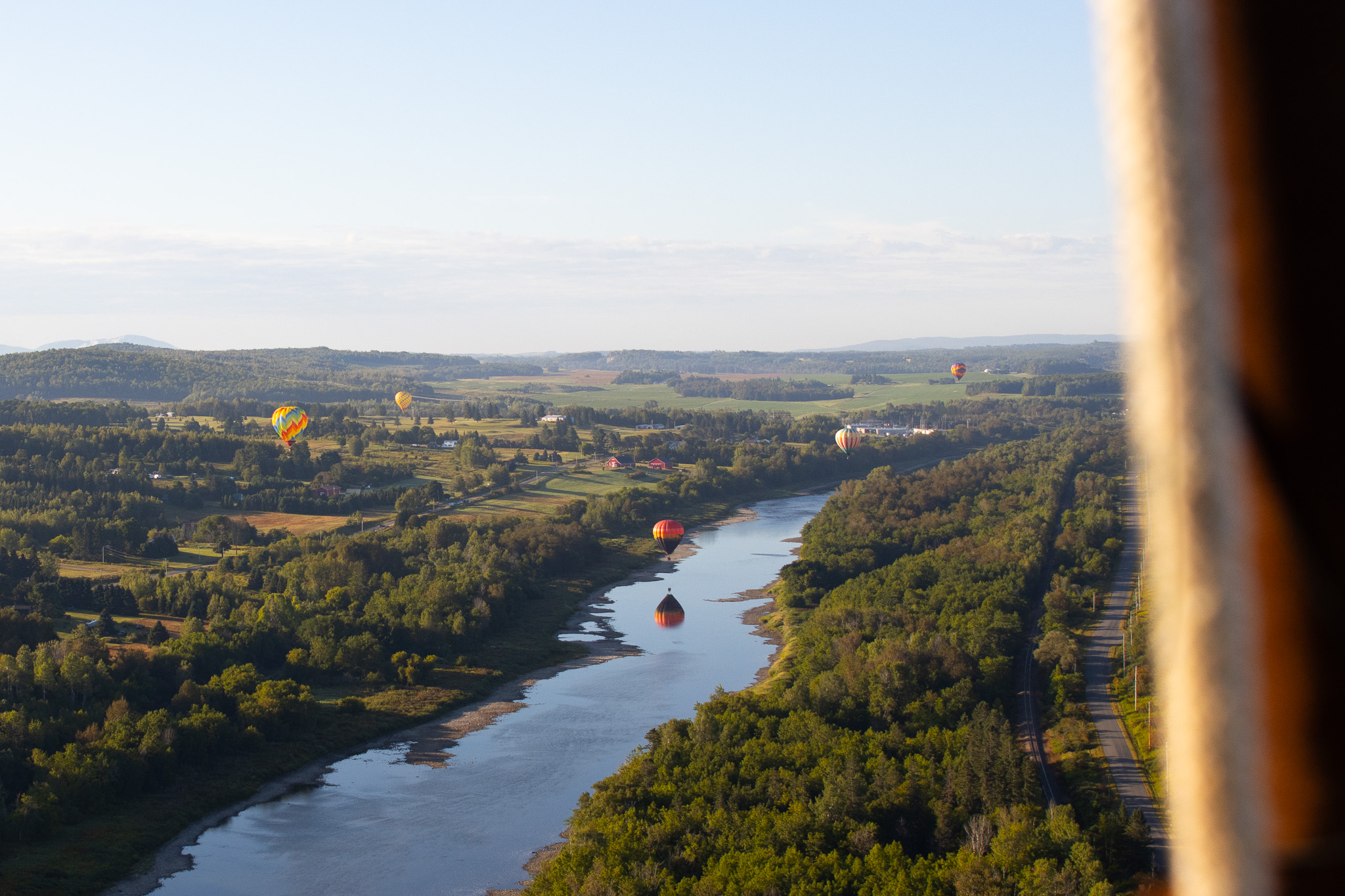
Pilots have since gravitated to The County, but not just for the picturesque views. Whether it’s recreational flights or world record attempts, it turns out history and weather combine to make this rural part of Maine a veritable hotspot for ballooning after the Double Eagle II’s flight.
“By virtue of them being successful, they created a legacy for Presque Isle, and it immediately drew people’s attention here,” said Kim Smith of the Presque Isle Historical Society.
Making history
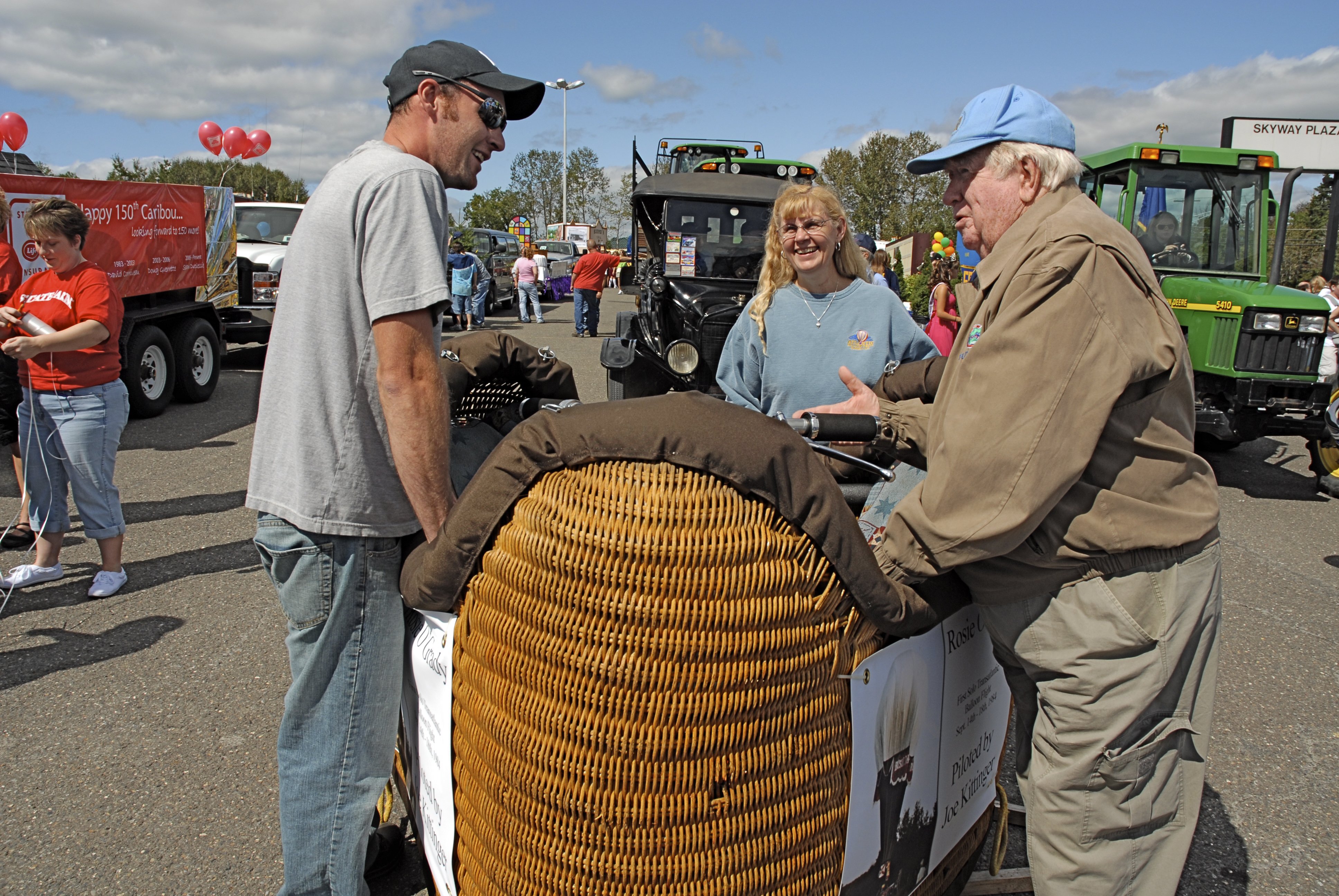
After the Double Eagle II, Col. Joseph Kittinger of Florida, a U.S. Air Force veteran and noted adventurer, made the next attempt. He came to Caribou in 1984, aiming to beat the Double Eagle’s distance.
He lifted off from a field near Main Street in the Rosie O’Grady Balloon of Peace. When he landed three days later in Italy, he beat the Double Eagle by more than 400 miles and became the first solo balloonist to cross the Atlantic.
A North Carolina man joined the fray in 2013. Cluster balloonist Jonathan Trappe aimed to cross the ocean tethered to 366 helium balloons, which local people helped inflate. He, too, set off from Caribou, but his flight landed prematurely in Newfoundland because of technical problems.
Alicia Hempleman-Adams of England, the daughter of ballooning record-setter Sir David Hempleman-Adams, attempted a trip from Presque Isle in a cloud hopper — a smaller balloon with a solo seat — but the flight wasn’t successful, Smith said.
Most recently, Bert Padelt of Pennsylvania, Alicia Hempleman-Adams and Peter Cuneo of New Mexico chose Presque Isle to launch the Atlantic Explorer’s history-making trans-Atlantic feat. Long inspired by the Double Eagle II, Padelt had dreamed of a similar flight.
It was the fourth try. Weather prevented a launch in 2023, and the next two ended in Canada. This year they landed successfully in Luxembourg. In the balloon they carried a 1978 silver dollar and a small string of chili peppers in homage to Abruzzo, Anderson and Newman.
The history draws adventurers, Smith said.
“With the caliber of pilots that are now being drawn here, especially Bert [Padelt} being in the Balloon Hall of Fame and Alicia being the international record holder that she is, those are some pretty high standards,” she said. “You’re automatically going to attract other people when that happens.”
Something in the air
But there’s more in The County that balloonists crave.
Winds there generally blow west to east, favorable for trying to cross the Atlantic, said historian and balloon pilot Dena Winslow of Presque Isle.
“What [balloonists] want is high winds, high up, without any major storms nearby,” Winslow said. “We have access to the jetstream here at times, which is what the Atlantic Explorer was on hold for, waiting to happen.”
Ideal launch sites also have a treeline or enclosure, which keeps a balloon stable before takeoff, she said.
The winds and cooler weather combine for ideal ballooning, said Don Day, a meteorologist for Padelt and the Atlantic Explorer team.
Flying depends much on terrain and wind quality, and certain parts of the country are more favorable. Aroostook is one of those places, Day said. Its rolling topography contains low-lying areas that collect cool air at night, and cool air stays put longer, bringing calmer conditions.
“It’s all about the wind and finding situations where you’re flying in light, not fast, conditions,” he said. “You have these areas of lighter winds, especially in the mornings that make it good, and pockets of cool air down low that make the winds lighter.”
Fields and forests play a role, too, Day said. Areas with a lot of greenery are slower to warm up in the mornings, which keeps winds calmer.
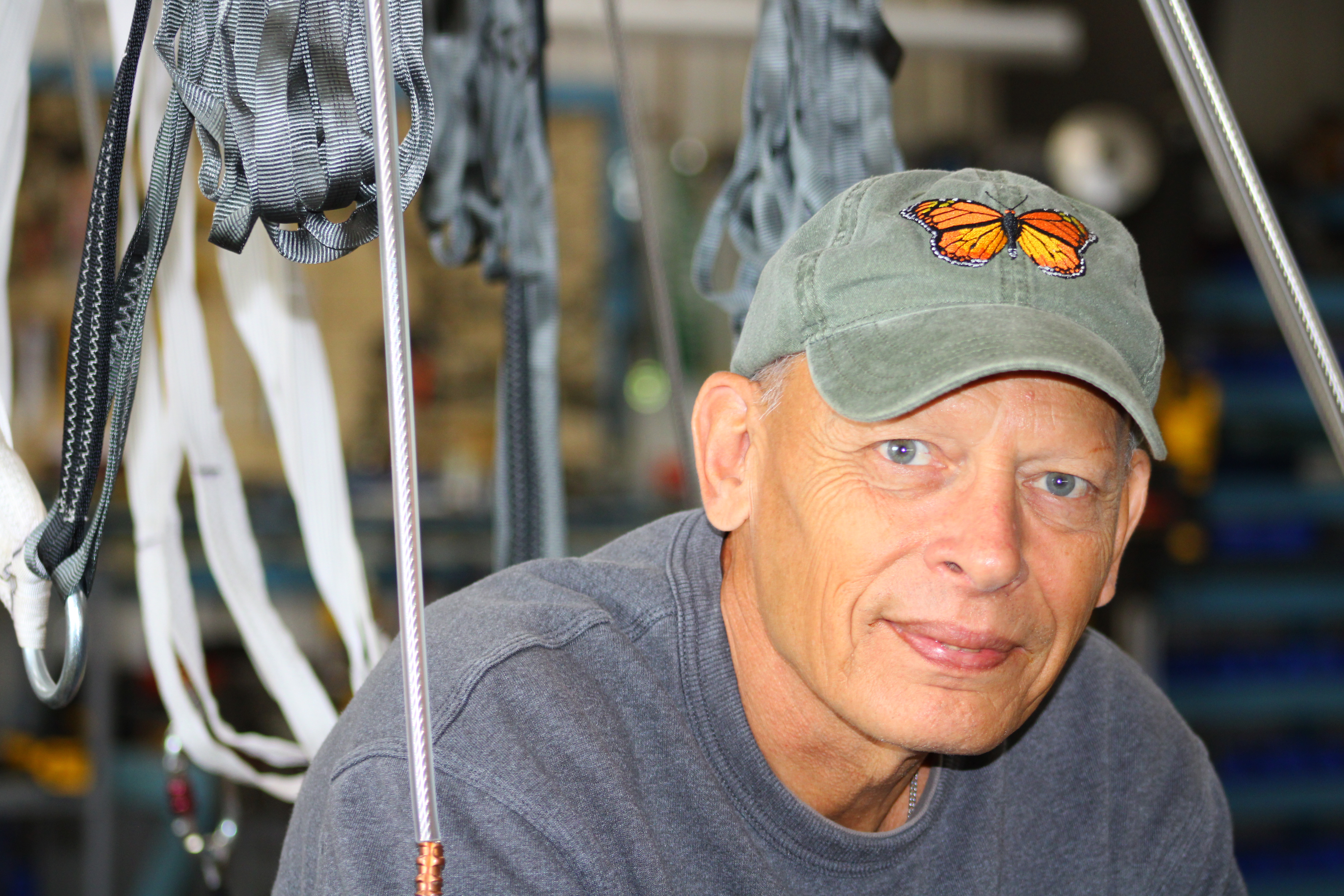
Flying from Maine is a shorter path to Europe, Padelt said.
“It works for the same reason it worked during World War II when the B17s flew to Europe and northern Maine was the hopping-off point for those flights,” he said.
It also provides more “running room,” in case you need to land before you reach the open Atlantic, he said. Two previous Explorer attempts did just that.
The legacy
Padelt, drawn to Maine by the legacy of the Double Eagle II, is relieved and happy the Explorer succeeded. But he’s also grateful for the friends he met in Presque Isle, including Paul Cyr, who lent the team his shop and property for setup and launches.
City officials got behind the effort, and residents prepared meals for them and let them stay in their homes.
“Presque Isle will always have a special place in my memory and in my heart,” he said. “From a flying standpoint, the combination of nice fields, nice landowners and nice people in general — that’s why balloonists enjoy it and keep coming back.”
Winslow’s love of ballooning and the local history behind it inspired two things that endure.
She built her own balloon in 1998, which she named Possibilities, and in 2000 became Aroostook’s first licensed female pilot.
She’s flown throughout North America and assisted with flights by Kittinger, Trappe, the Explorer team and Sir David Hempleman Adams’ 2003 Atlantic crossing from Sussex, New Brunswick, she said.
She saw so much enthusiasm among spectators and fellow pilots that she thought Presque Isle should have a balloon festival. She created a small one in 2004 with two other balloonists.
That gathering transformed into the Crown of Maine Balloon Fest, now a multiday August event that draws hundreds of spectators and pilots from the U.S., Canada and England.
People love to see the balloons and pilots love flying The County, she said.
“We have some wide open fields in this part of the northeast, and we have people who don’t mind lending their land,” she said. “Plus, it’s beautiful here. Who wouldn’t want to fly up here?”
Correction: An earlier version of the story misstated Peter Cuneo’s name.