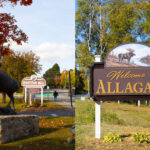


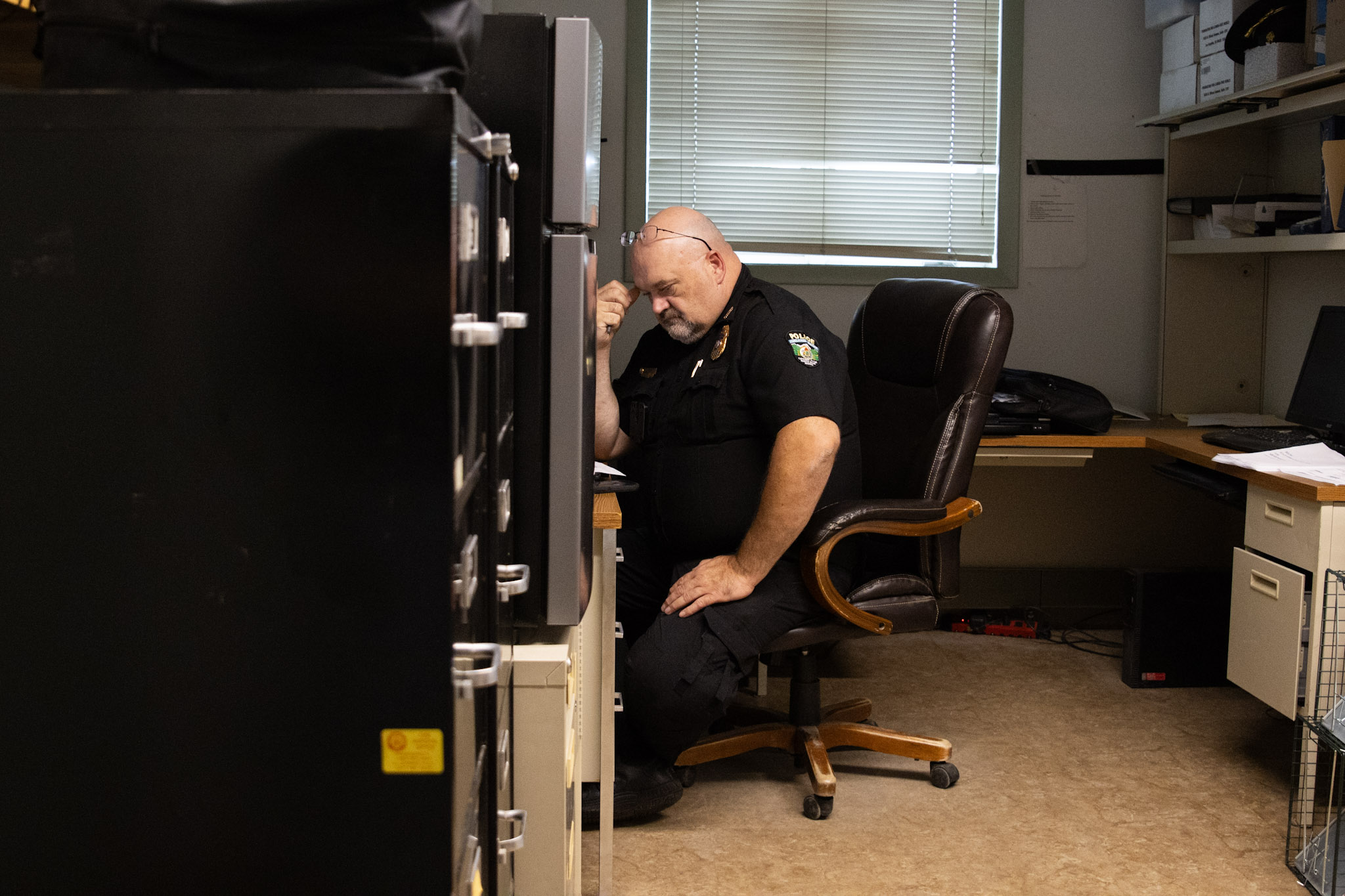
A hundred miles east of nowhere and one block from the center of town, Ashland Police Chief Michael Montpetit shifted his department’s only dependable cruiser into gear and headed out for his morning patrol.
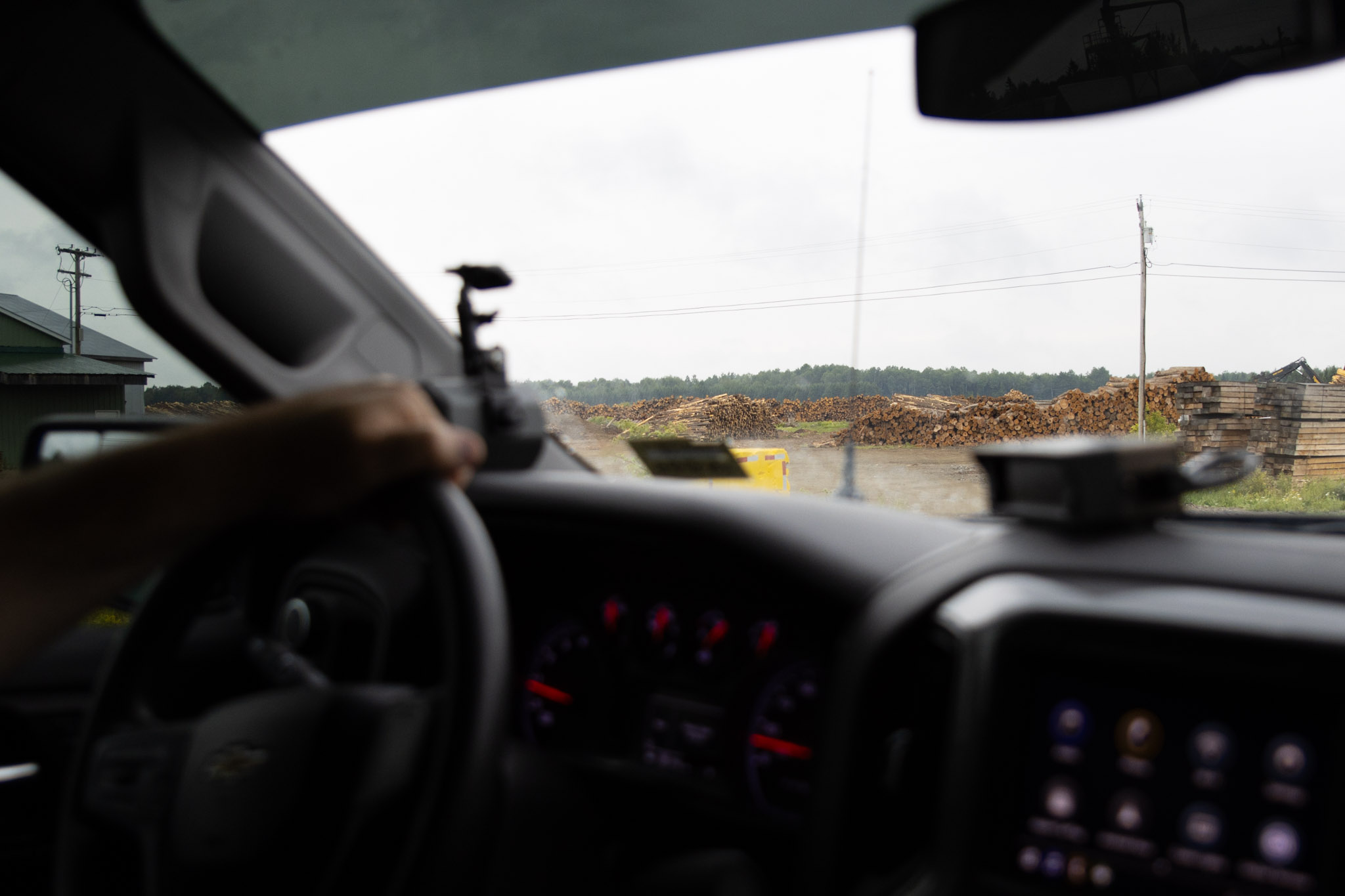
For a few hours, Montpetit looped up and down the few dozen roads that make up Ashland — which, at more than 80 square miles, is Maine’s second largest town by land area.
Around 1,200 people live there, half what the town’s population was a century ago. The decline follows trends in the logging industry, the economic driver of this sparsely populated region on the edge of the North Maine Woods. Its only grocery store has been closed for months.
But Ashland still has its own police department. Few of Maine’s small towns can say the same.
Farther north, Van Buren closed its department in 2019. Limestone followed suit in 2023. Washburn, where Monpetit once worked, disbanded the next year after its chief, Cyr Martin, stepped down.
Martin at that time was juggling triple duty. He was also Ashland’s police chief and town manager. After Washburn disbanded its force, he told News Center Maine that he was worried Ashland might be next.
That lingers in the current chief’s mind. The department’s budget — just north of $500,000 — passed by just two votes, after a recount, at Ashland’s annual town meeting in March.
“I hope that doesn’t end up being my legacy, being the chief when the town decides to close up,” Montpetit said. “It’s always a possibility.”
Despite being the chief, Monpetit will patrol for anywhere from 36 to 70 hours in a given week. The town has three full-time cops — him included — and five reserve officers.
He could use a fourth full-time officer and a part-time administrative assistant, but the chance of finding money to fund the positions in the department’s “shoestring” budget is slim.
Some policing experts say consolidating or contracting out police services is more efficient, especially for a town the size of Ashland. Monpetit disagrees, even as that mindset has permeated his community.
“Everybody recognizes what you need EMS for, so the ambulance budget passes,” Monpetit said. “Everybody recognizes that you need a fire department. Everybody recognizes that you need a highway department.
“The police department, a lot of people don’t recognize the need for it. They’re not necessarily against us, not on a personal level, they just don’t feel that spending money on us is worthwhile because they can rely on state or county services.”
The three nearby communities that recently disbanded their departments have turned to regional policing provided by the Maine State Police and county sheriff’s deputies. In Washburn, town manager Donna Turner said the arrangement has worked out well.
“We have been very pleased with the level of service they have provided,” she said.
Montpetit says some residents have told him otherwise, but it’s no fault of the state police or sheriff’s office.
“They’re spread thin,” he said. “You can’t expect a deputy that’s covering 30 towns to show up when you have a barking dog complaint. It just doesn’t work that way.”
Monpetit knows, because he spent 15 years as a sheriff’s deputy.
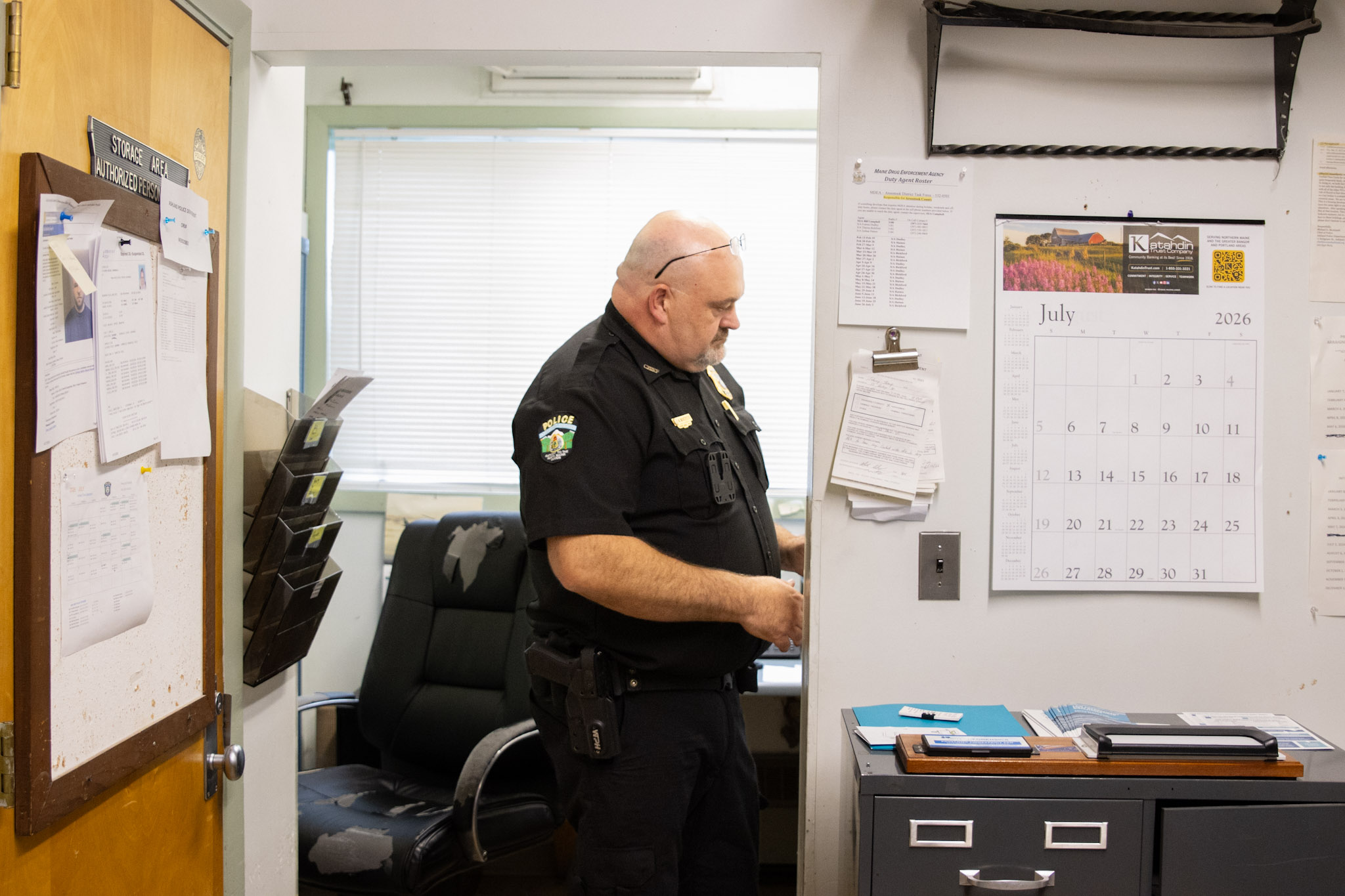
Ashland doesn’t have the resources of the larger agencies some of its neighbors depend on. It has less than 250 square feet of office space, a room tucked between the town office and the fire department. Its officers have to buy their own handguns because the department doesn’t have the money to purchase them.
But Montpetit still sees value in his small community having its own department. Who is going to be there when “grandma locks herself out of the apartment”? he asks. Who will conduct property checks? Could a larger agency build the same kind of rapport?
“It’s incredible when you go sit in a diner and have coffee in the morning, the things that locals will talk to you about because they know you and they trust you,” Monpetit said.
Monpetit rejoined the department in December 2024 and rose to chief by May 2025. Since then, the department has been more present in the community and developed a stronger enforcement footing, according to law enforcement data.
In 2025, the department responded to 1,919 calls for service and made 23 arrests, on par or higher than other towns of its size. It’s a stark contrast from the previous year, where the Ashland PD responded to 764 calls for service and made just four arrests.
From Dec. 1 to July 27 of this year, the department had already handled more than 2,000 calls, he said. Montpetit attributes the increase to his officers working proactively, especially in pursuing drug enforcement, which he’s identified as a priority.
“The drug problem here, man, it was really out of control,” he said. “When I took over, there was no documented intelligence anywhere that I could find about anything that had been going on. We basically had to start from scratch.”
The Ashland Police Department coordinated with the Maine Drug Enforcement Agency on several arrests in drug-related investigations in recent months, a DEA spokesperson said.
Little about the arrests is public. So naturally, most of Ashland knows about them.
That’s the cost of doing business in a town with two stoplights. But a public perception of an active police department is not inherently bad, Montpetit argues, and could be the boost that keeps his department afloat.
Ashland has avoided many problems that have doomed other small Maine police departments. It has found creative ways to recruit and retain officers, and hasn’t found itself mired in scandal. Montpetit has built such trust with residents that some have taken to sending him tips through Facebook Messenger — leading the chief to implore people earlier this year to call the dispatch line instead.
But he knows there’s only so long trust can outweigh expense. A nationwide affordability crisis is raising the temperature on local governments to cut costs, and Ashland has a small tax base. Two of the area’s largest businesses, Irving sawmills in Masardis and Nashville Plantation, are just outside town limits.
It’s always possible that in a community where residents vote on the municipal budget, they could revolt against police spending. It almost happened this spring. It’s difficult to say what would happen next, and that frightens Montpetit.
He’s lived in or near Ashland for most of his life. Three decades ago, he began his career with the same department he now leads, in the room he’s sitting now, leaned back in an office chair, professing to a reporter his hopes for the department’s survival.
“At the end of the day, we’re fortunate to even have a PD here,” Montpetit said. “We’re one of the few left. We really are. It’s scary. I’m not scared for myself … It’s not an employment issue. I just know the town needs it.”