

The ACLU of Maine has launched an investigation into a Houlton Sector Border Patrol traffic stop to uncover alleged agent overreach, racial profiling and retaliation against a Mainer.
In the complaint filed Thursday, the ACLU details the May 21 traffic stop of a Latino couple on Fort Fairfield Road in Aroostook County by Border Patrol Agent Souza, whose first name was not released, who said he had stopped the Massachusetts couple for speeding.
The couple were legal U.S. residents in The County visiting family, according to the complaint filed with U.S. Customs and Border Protection. The ACLU is asking CBP to provide any and all documents related to the traffic stop, and all policies or other documents that describe CBP’s authority to conduct traffic stops in Maine.
CBP spokesperson Ryan Brissette said Friday afternoon that he is investigating the matter.
This administrative complaint comes at a time when citizens around the country have claimed increasingly aggressive Border Patrol and Immigration and Customs Enforcement tactics, and are warning people when agents are seen at schools, shops and on specific streets. Many residents are filming immigration actions and taunting the often unidentified and masked agents to get out of their neighborhoods.
At the time of the May traffic stop on Fort Fairfield Road, Caribou resident Jamie L. Zilko and her husband were on their way to dinner when they saw the Border Patrol stop the Massachusetts couple.
After they pulled to the side of the road, Zilko got out of the car to film the traffic stop and to let the couple know their rights, according to the complaint filed on Zilko’s behalf. In recent months, Zilko has taken an active role in helping people by distributing “know your rights” cards.
“When I saw border patrol stop that car, I wanted to make sure the people inside were safe and knew their rights,” Zilko said in a statement. “Instead, CBP met me with violence and intimidation. That doesn’t make us safer. It exposes exactly why oversight and accountability are so urgently needed.”
Souza told Zilko to get back in her car. Zilko shouted a profanity and gave the agent a finger gesture, continuing to film, which the ACLU said is all First Amendment protected behavior. The CBP agent grabbed Zilko, twisted her arm behind her back, throwing her face-down against the detainees’ vehicle, the complaint stated.
“Agent Souza’s detention of Ms. Zilko was therefore unlawful retaliation for her exercise of her First Amendment rights,” the ACLU said in the filing. “Agent Souza’s excessive force violated Ms. Zilko’s Fourth Amendment rights. Pinning and restraining a person against a car is a detention that may constitute excessive force, even if it occurs only briefly.”
When a second Border Patrol agent arrived on scene he told Souza to release Zilko and let her continue filming the traffic stop, according to the document.
In the 10 months since the Trump administration has taken a hardline approach to immigration stops and detentions, Maine’s Border Patrol arrests have soared. Houlton Sector officials reported in April the highest number of arrests in a single month in nearly 24 years.
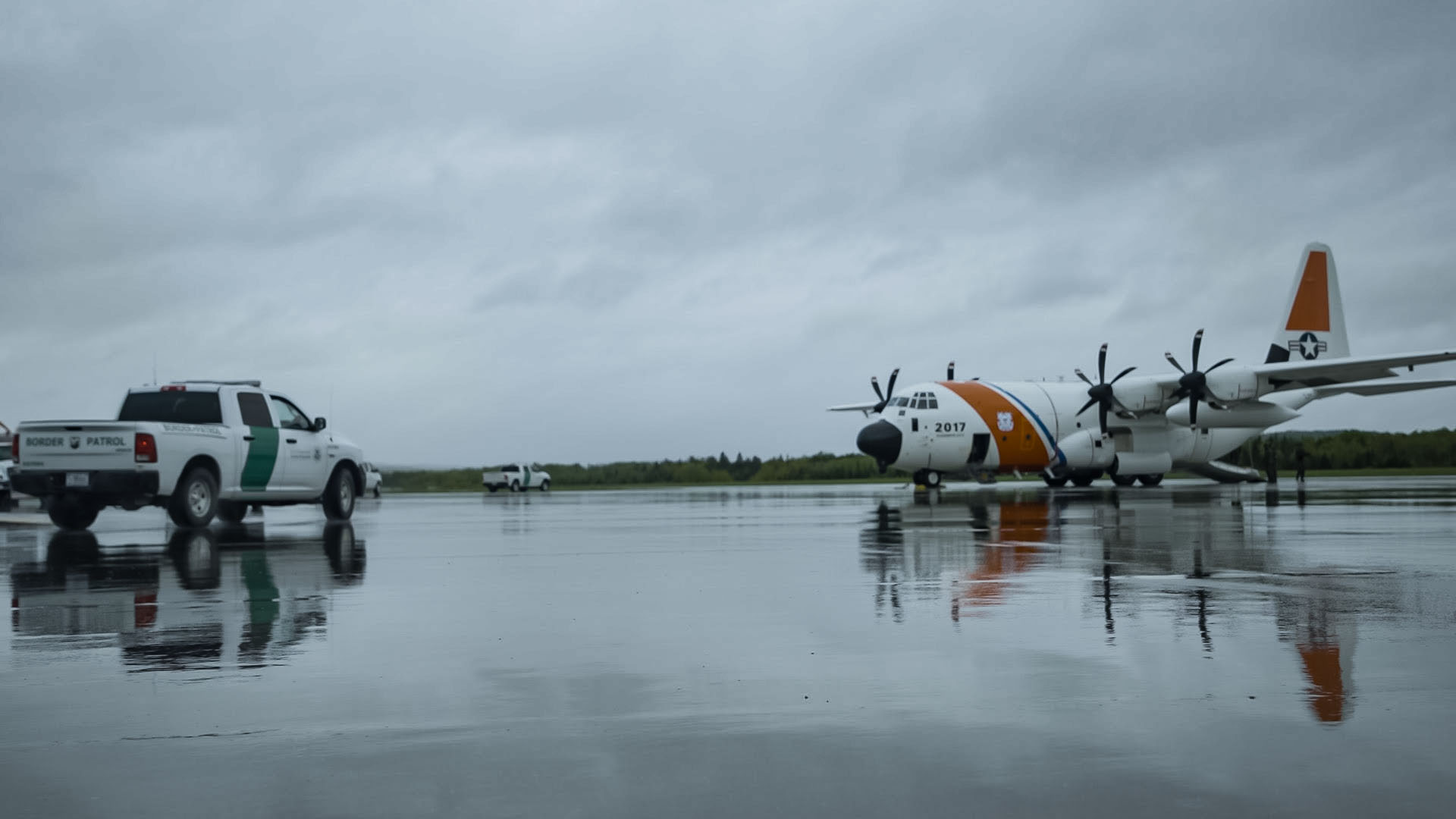
Additionally, several Coast Guard planes left Presque Isle International Airport in May and June including 42 detainees to Detroit on May 23 – two days after the traffic stop in question.
To process detained people faster, Border Patrol is transferring them to ICE locations around the country, Brissette said in an earlier Bangor Daily News interview.
“These types of transfers will continue until such time that apprehensions in the area return to a level in which local assets can adequately address the need,” Brissette said
As far as the traffic stop, the Massachusetts couple told the agents they were not speeding. CBP agents do not have the legal authority to conduct traffic stops in Maine for minor traffic violations such as speeding, the ACLU said, adding it is solely the responsibility of state and local law enforcement.
The complaint alleges that the traffic stop may have been racially motivated because there was no apparent reasonable suspicion to justify the stop, no one was arrested, and no citation or summons was issued, likely violating the couple’s Fourth Amendment rights.
“CBP’s conduct during this event reflects a wider pattern of unlawful racial targeting in Maine,” ACLU staff attorney Anahita Sotoohi said. “When CBP pulls over motorists without any clear justification and physically harms people who try to film that behavior, they are actively making our communities less safe.”
The ACLU has asked CBP to provide any incident reports or other documents related to the traffic stop and the interactions with Zilko and all policies or other documents describing CBP’s authority to conduct traffic stops in Maine.