

HOULTON, Maine – Veterans Day is traditionally held every Nov. 11, but that is not the only time Native servicemen and women are honored.
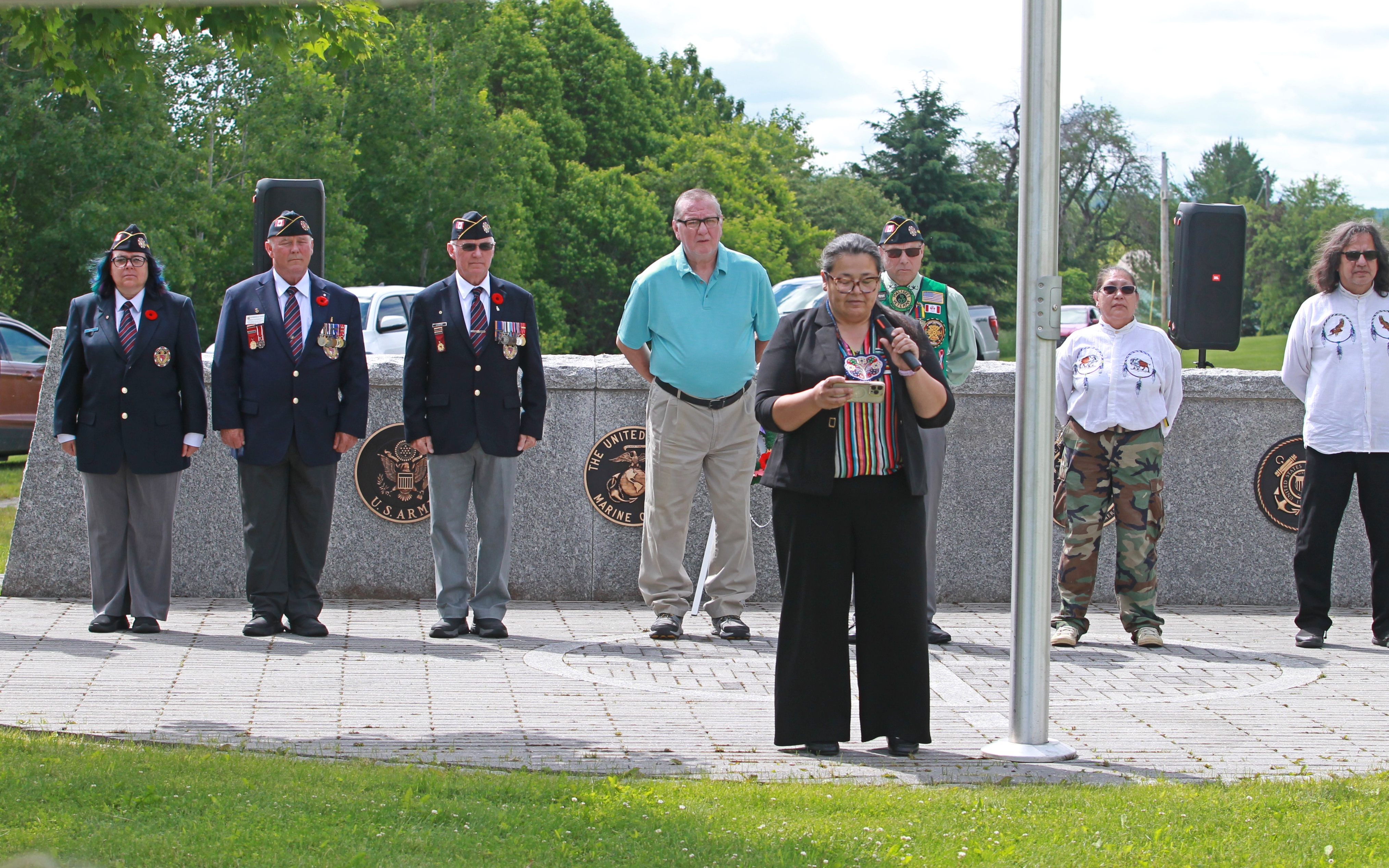
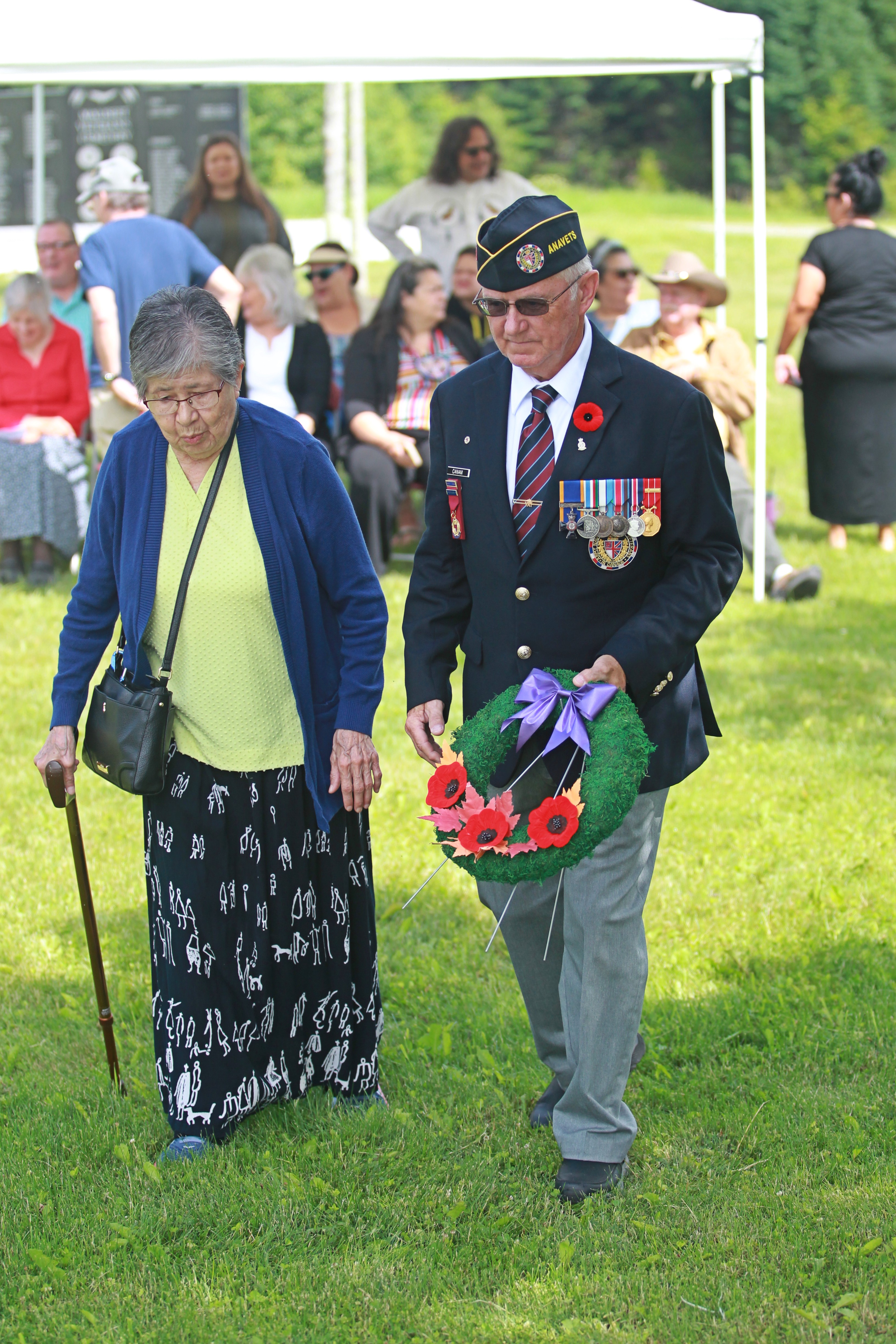
On Sunday, June 21, the Houlton Band of Maliseet Indians paid tribute to its tribal citizens who served their country during a Native American Veterans Day celebration. A small gathering of about 30 people attended Sunday morning’s salute to tribal veterans, both past and present.
Held at the Maliseet Veterans Cemetery – the only Native American cemetery east of the Mississippi River — the ceremony featured an opening prayer by Tribal Elder Danya Boyce, as well as singing and drumming by the Four Winds drum group.
Members of the Chester L. Briggs American Legion Post No. 47 also participated in the ceremony, with bugler Jerry Riley performing “Taps” and the Legion’s Honor Guard providing a gun salute for the fallen. In addition, a veterans group from New Brunswick attended this year’s event.
Tribal Chief Clarissa Sabattis also thanked those in attendance for their service and support of those Native Americans serving in the armed forces, while Cemetery President Margaret Sabattis said about 15% of Maine’s Native American population is currently serving on active duty or are veterans. There are 86 members of the Houlton Band of Maliseets who are veterans, either living or deceased.
Signed into Maine law on June 21, 2022, Native American Veterans Day is a time to honor the rich history tribal members have played in serving in the armed forces. The date for Native American Veterans Day has an historical significance, harkening back to the Tribe’s effort during the American Revolution.
According to the Maine proclamation, on June 21, 1775, soon after the Battle of Bunker Hill in the early stages of the American Revolution, Penobscot Chief Joseph Orono met with General George Washington at Watertown and agreed that his tribe’s warriors, as well as others in the Wabanaki Confederacy, would join forces with the Continental Army to fight a common enemy in the struggle for freedom.
Members of 33 tribes served as code talkers in World War I and World War II; and more than 44,000 Native Americans served with distinction between 1941 and 1945, including members of Maine’s Penobscot, Passamaquoddy, Maliseet, and Mi’kmaq tribes.
During World War II, Native American men and women were also an integral part of the war effort, with more than 40,000 leaving their communities to work in ordnance depots, factories, and other war industries.
Following the ceremony, a brunch was held at the Maliseet Community Center.