


Open water fishing season begins every April 1, and it often turns out to be a real April Fool’s Day for anglers as spring weather and freshet conditions tend to be fickle. Last year there was a major snowstorm on opening day.
But even without snowfall, at this early stage, few pools of open water offer safe and productive access to hard-core casters, so like myself, many sportsmen quell the anticipation by locating and refurbishing fishing gear.
Over the next week or so I’ll go over my rods and reels, sort through my tackle and check over fly boxes for an equipment check and fix-up. Nothing is more irritating than to call a buddy, set up an outing, and arrive to find he hasn’t a clue where his fishing gear is, or worse, it’s right where he dropped it in full disrepair at the end of last season. Then he buzzes around like a hummingbird with a tailwind, delaying the fishing trip.
Don’t be that person. Plan ahead. Locate and check out your equipment before you actually need it. It’s a shame to miss one minute of fishing due to broken or malfunctioning gear.
To salve my irritation and frustration with Mother Nature, I’ll spend some time rearranging my tackle box, and finish tying a couple of streamer fly patterns for ice-out stream and small lake fishing. Perhaps some other Aroostook anglers need a few more flies. I suggest some tandem streamers as well as a few long shank, Carrie Stevens-style, single-hook patterns.
In the way of bucktail patterns, consider a red and white with real jungle cock eyes, a blue devil, a Herb Johnson special or a rainbow ghost. Proven feather-wing streamers, both attractor and bait fish imitator patterns, include the gray ghost, Ouananiche special, counterfeiter and black-nose dace. Every one of these streamers will attract both trout and salmon on East Grand, Pleasant Pond, Drew’s Lake, Scopan and all of the Fish River Lakes.
I recommend a dual leader setup, which allows an angler to troll a bright bucktail attractor fly on a longer, shallow-running leader and a feather-wing smelt imitation on a shorter, deeper running leader. Variety catches more fish, especially in cold water.
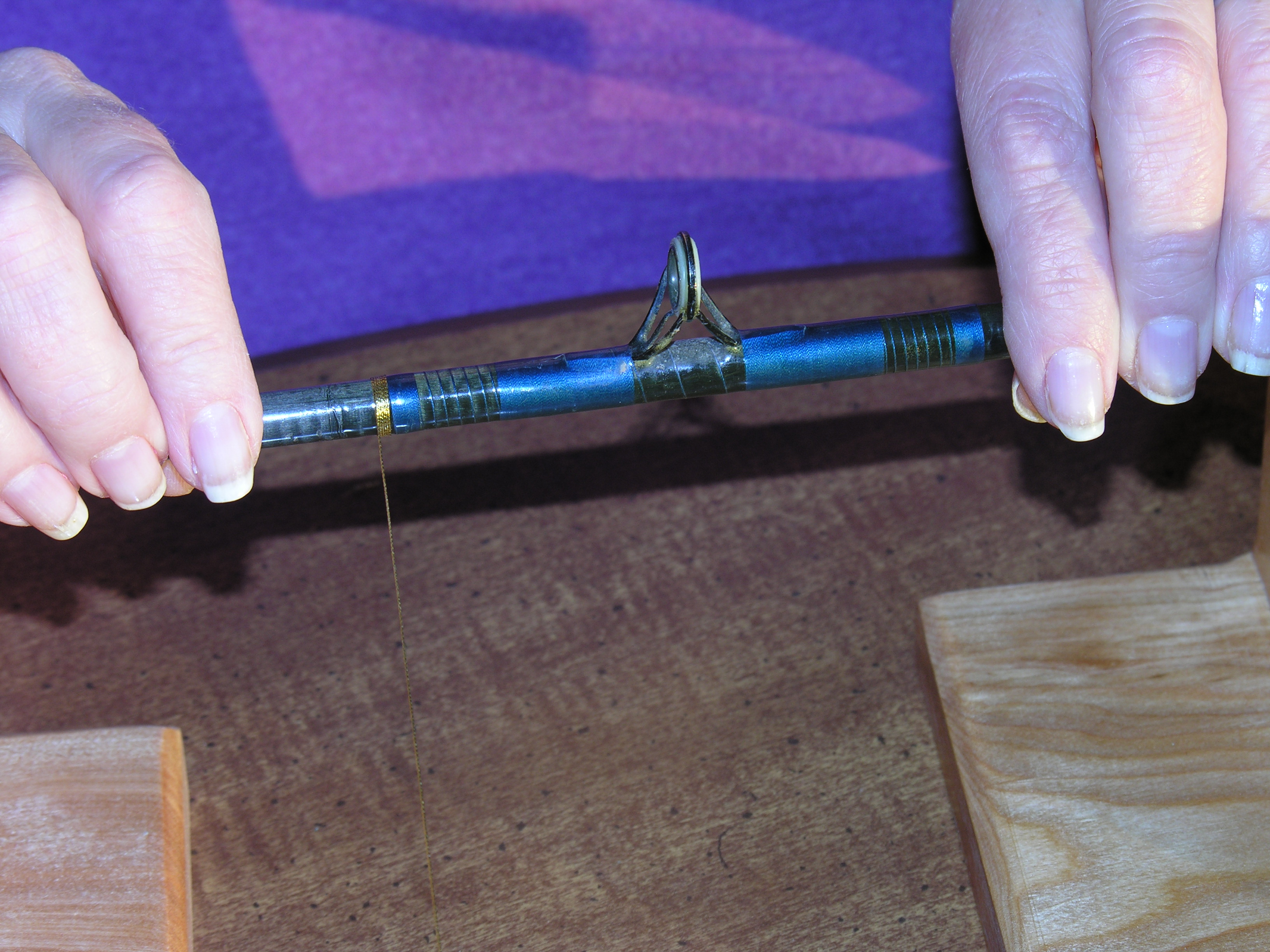
Next, check over your rods. Make sure the inside of each guide is smooth, not worn and rough, which could ruin the coating on a fly line or cut through monofilament. Check each guide winding to make sure there’s no looseness or unraveling. Perhaps the thread needs a new waterproof coating of preservative.
Replace or rewind any faulty guides. It’s a simple task that takes less than 30 minutes per guide. Wipe the rod down with a spray household cleaner, especially the rings and grooves of the reel seat. Spray a cloth with WD40 and rub down the cork grip to remove grime, remnants of sunscreen and fly dope, and give the handle a brand-new look.
Go over the reels next. If a monofilament line is more than two years old, five years for a fly line, it may need to be replaced. Fly lines crack, reducing flotation, and become difficult to cast well. Monofilament weakens, leading to lost fish, and it also retains memory, making it difficult to cast. Clean each fly line thoroughly, going over it at least three times with cleaner and once with floatant, if it’s a floating line. Change all leaders and double check all knots.
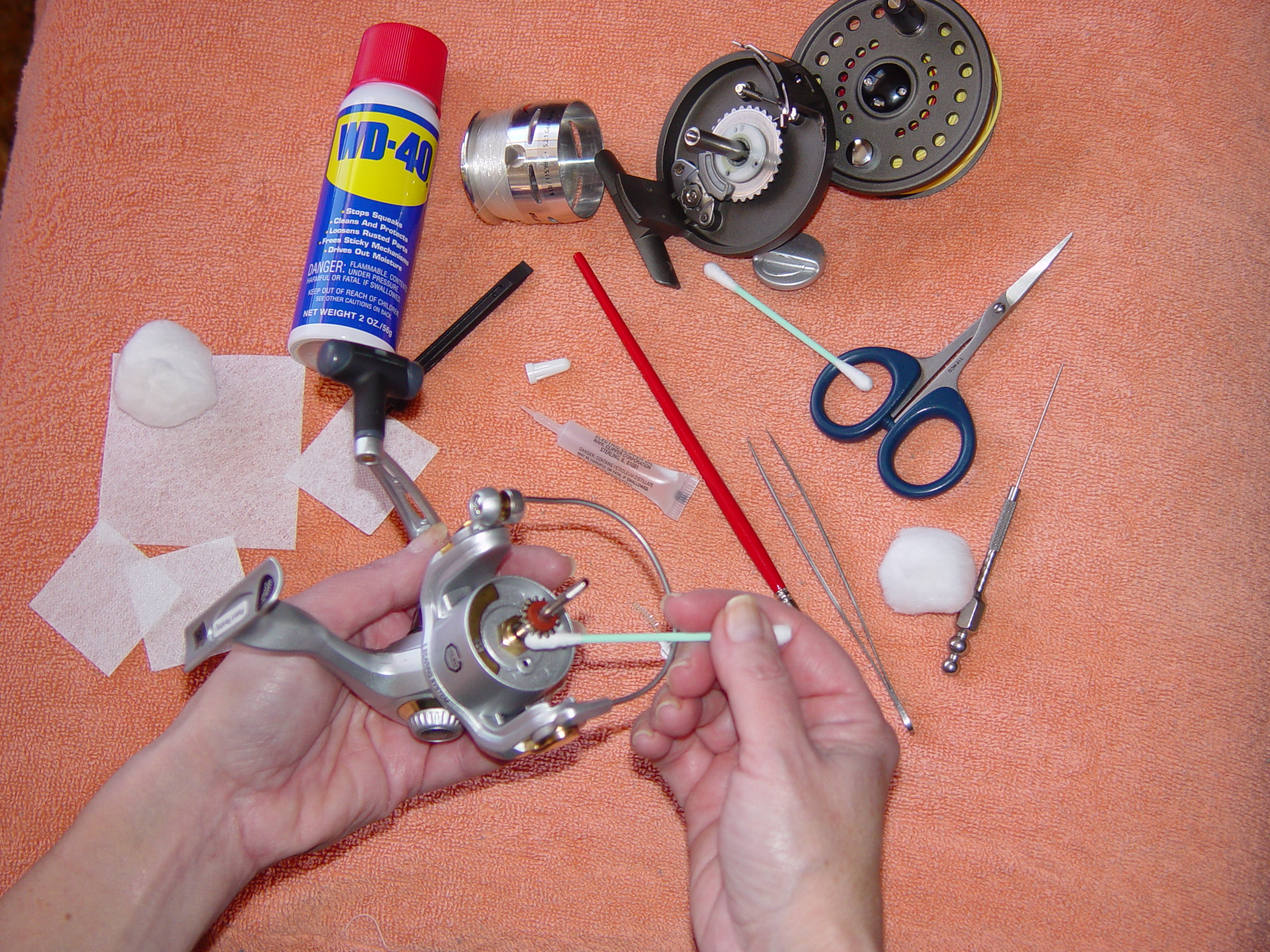
Take the reels apart and go over the parts with a moist soft cloth, then a dry cloth and finally with a cloth sprayed with silicone. Avoid spraying the entire reel, especially gear mechanisms, with lubricant, as it will often only attract and hold dirt and grit in the delicate winding and drag gears. Apply small drops of lightweight oil only to gear shafts and cogs and wipe off the excess. Always release the drag tension when storing a reel for a week or more. Use a quality, fitted screwdriver and check each exterior screw for tightness.
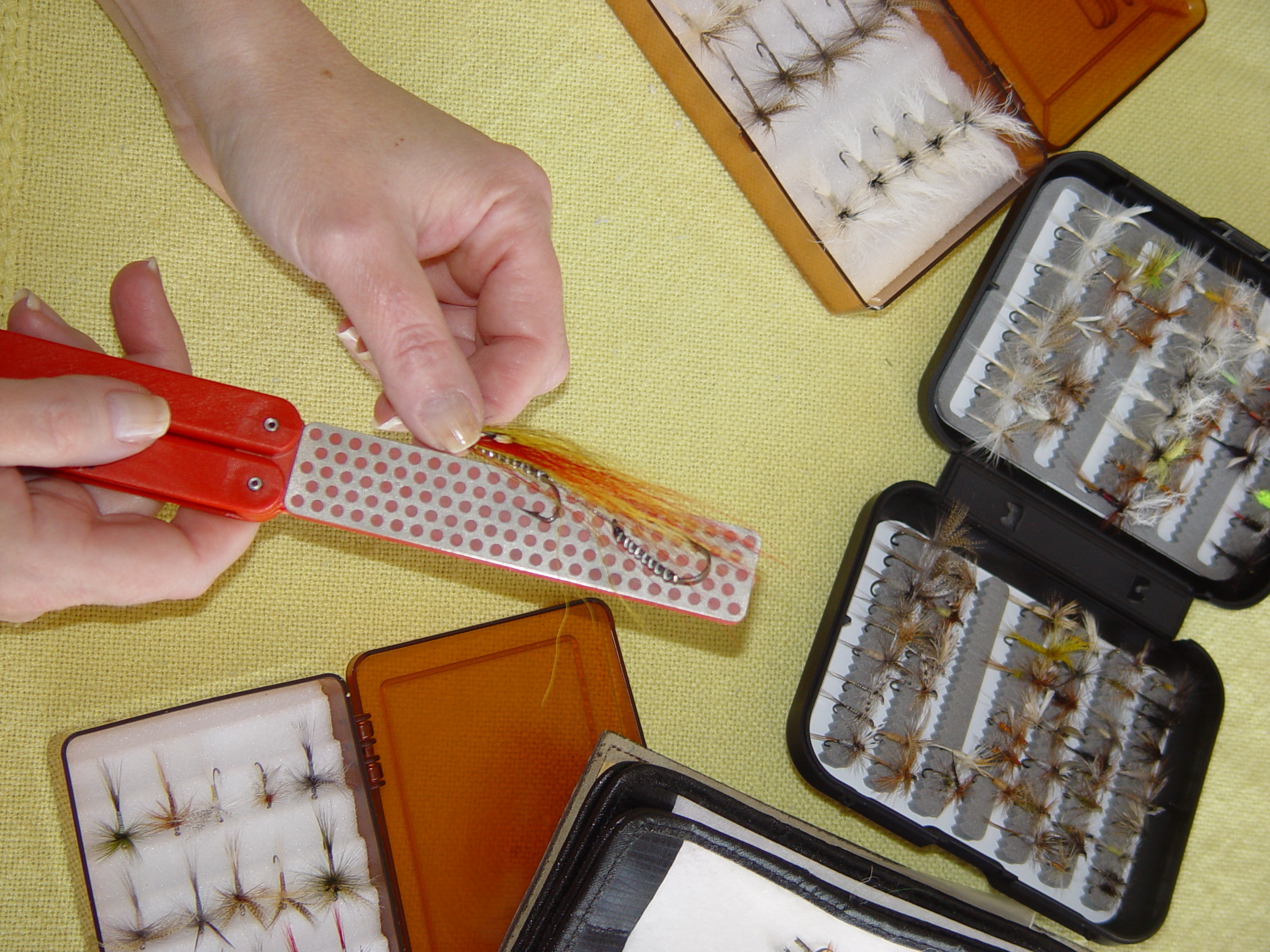
Flies and lures are the next equipment to be checked. Most fish that strike will hook themselves on a sharp hook, but dull, bent points and barbs will allow fish to pull free at the strike or during the ensuing fight. Take a second and make a few swipes with a good diamond file along each point edge of favorite flies and lures. Use steel wool or metal polish to shine up tarnished or rusted lures. Check all the eyes and hook rings for tightness in lures and plugs, and make sure the hooks and inserts aren’t bent.
Look over flies to make sure the head doesn’t need to be rewound or need a coat of head cement. Repair or discard flies with loose hackles or ribbing, and replace lost tail or wing feathers.
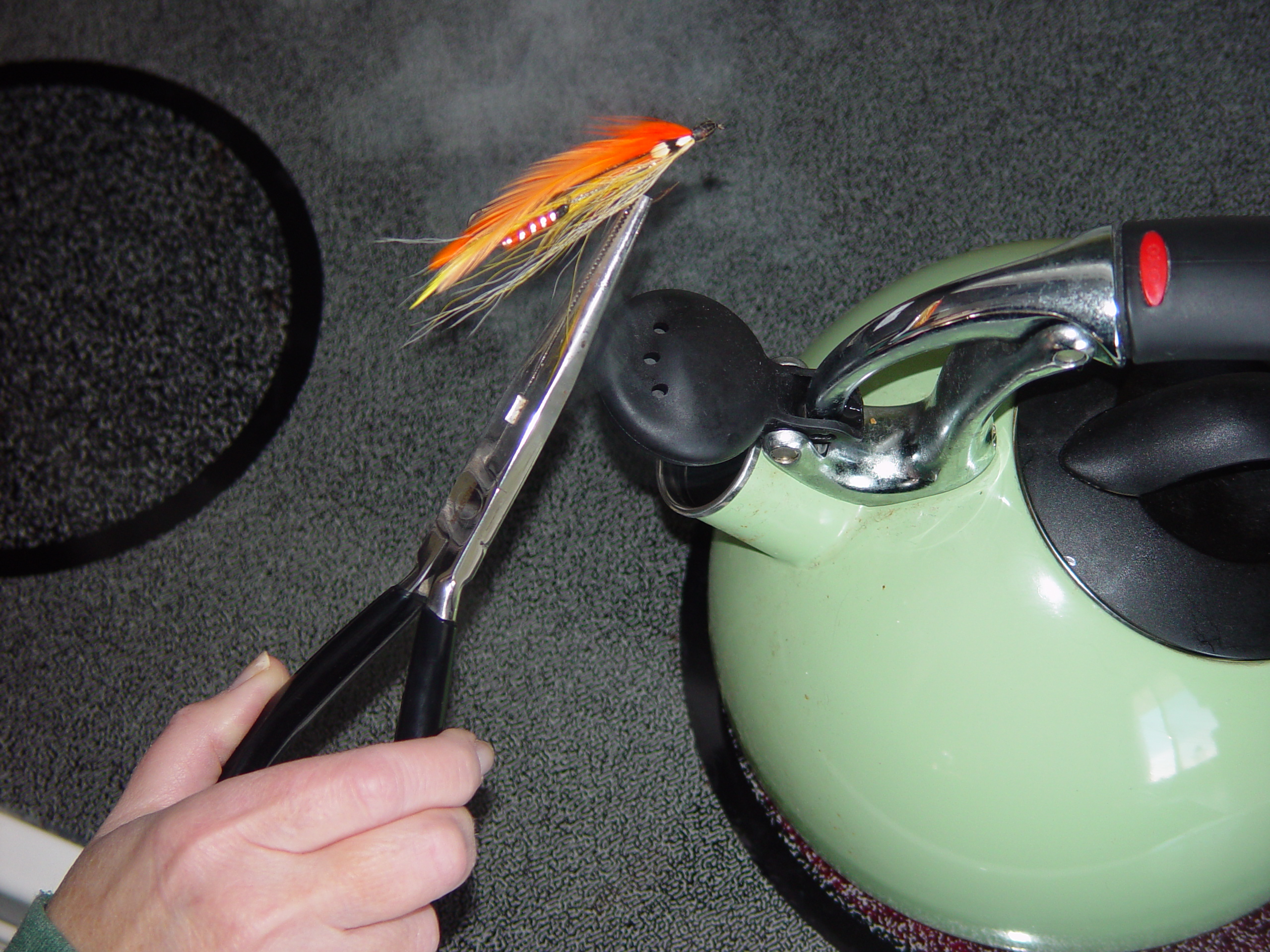
Flies that have caught a lot of fish tend to get bedraggled, but 30 seconds in the steam from a tea kettle will revive the colors and renew the feather quality. Wash the fly in soapy water, rinse in clean water and partially dry with a paper towel, and then steam it thoroughly over a boiling tea kettle using long needlenose pliers. Then preen the feathers and lay every fly on a paper towel to dry. Steam can burn in an instant so take great care.
I’ve located my fly vest, net and my thick neoprene waders for insulation. There’s a fly rod and a spinning rod rigged and ready. Now, if we could get just a few days with no snow, no sleet or rain, and perhaps just a few rays of sunshine.
Just in case your gear isn’t already in order or a bit of knot tying practice wouldn’t hurt, now is the time to assemble all the necessary equipment. That first outing is just around the corner, honest — so get ready.